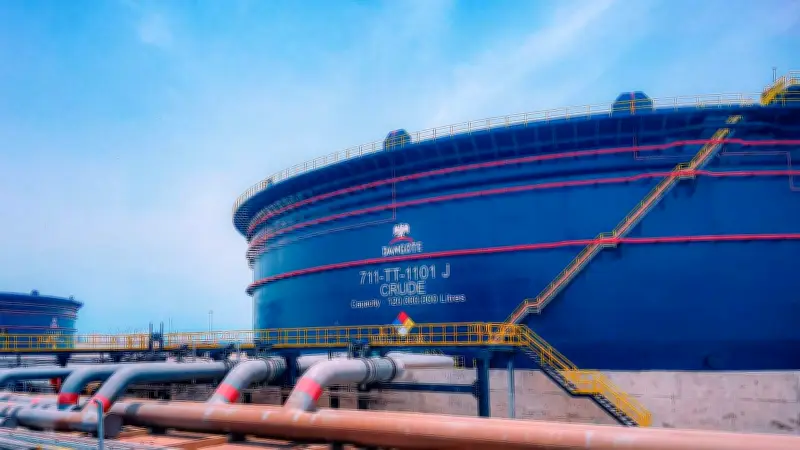
In a move set to ease fuel costs across Nigeria, Dangote Refinery has announced a reduction in the ex-depot prices of Premium Motor Spirit (PMS), commonly known as petrol, and Automotive Gas Oil (AGO), or diesel. The price cuts, effective Wednesday, bring petrol down to N1,165 per litre from N1,215, and diesel to N1,570 per litre from N1,650.
This adjustment translates to a reduction of N50 per litre for petrol and N80 per litre for diesel, offering some relief to consumers and businesses grappling with high energy costs. The refinery, which has a capacity of 700,000 barrels per day, is the largest in Africa and has been pivotal in shaping Nigeria's downstream petroleum market.
Impact on Retail Pump Prices
The latest price cut is expected to have a ripple effect on retail pump prices nationwide. As the refinery supplies a significant portion of the domestic market, lower ex-depot prices typically compel other suppliers and retailers to adjust their prices competitively. This could lead to a reduction in transportation costs, food prices, and overall cost of living, providing a much-needed boost to the economy.
According to industry analysts, the reduction aligns with global crude oil price trends and a strengthening naira, which have reduced the landing cost of imported petroleum products. However, Dangote's decision to lower prices proactively is seen as a strategic move to maintain market share and support the federal government's efforts to stabilize fuel prices.
PETROAN's Optimistic Outlook
Billy Gillis-Harry, National President of the Petroleum Products Retail Outlets Owners Association of Nigeria (PETROAN), had earlier hinted at the possibility of further price declines. He noted that if landing costs continue to fall, retail prices would follow suit. This latest reduction by Dangote Refinery is a concrete step in that direction, potentially setting a precedent for other industry players.
"We anticipate that this will bring down the prices at the pump, especially for independent marketers who source from Dangote," Gillis-Harry said in a previous statement. He also called on other refineries and importers to match these reductions to ensure uniform benefits for consumers across the country.
Economic Implications
The reduction in fuel prices is likely to have broad economic implications. For businesses, lower diesel costs directly reduce operational expenses, particularly in manufacturing, logistics, and agriculture. This could lead to lower prices for goods and services, curbing inflationary pressures. For households, cheaper petrol eases the burden of transportation and energy expenses, potentially increasing disposable income.
Moreover, the move reinforces Dangote Refinery's role as a market leader capable of influencing pricing dynamics. By adjusting prices in response to market conditions, the refinery demonstrates its commitment to providing affordable energy to Nigerians while remaining profitable.
Future Prospects
Industry observers are watching to see if this trend continues. With the refinery ramping up production and the federal government's ongoing reforms in the oil and gas sector, there is potential for further price reductions. However, factors such as global oil price volatility, exchange rate fluctuations, and distribution logistics will play crucial roles in determining the sustainability of these cuts.
For now, motorists and businesses can breathe a sigh of relief as they head to the pumps, hoping that this marks the beginning of a period of more stable and affordable fuel prices in Nigeria.