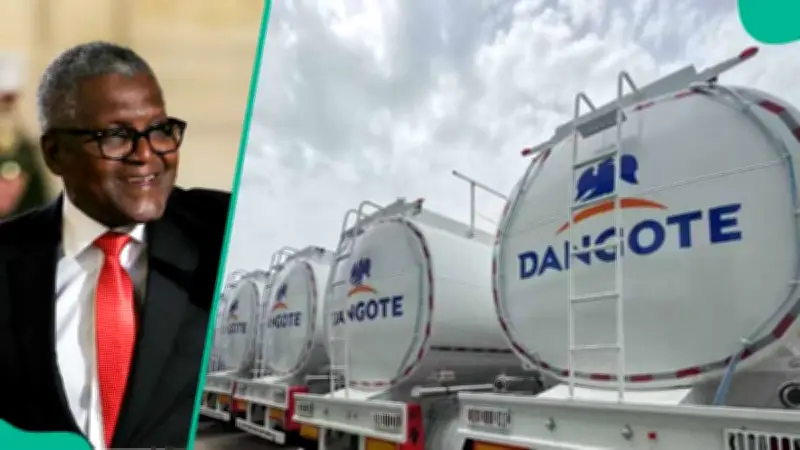
Dangote Refinery has raised its ex-gantry petrol price by N15.50, from N1,150 to N1,181 per litre, triggering fresh upward pressure across Nigeria's downstream petroleum market. The adjustment, effective as of August 11, 2026, comes as international crude oil prices approach $90 per barrel amid growing concerns over global energy supply.
Private depot operators across the country have responded by lifting their own prices to an average of N1,200 per litre, according to data from PetroleumPriceNG. This marks a nearly three per cent rise in depot prices as of Tuesday, August 11, 2026.
Depot Operators Adjust Rates
Several depot operators have announced sharp increases. Soroman raised its petrol price by N50 to N1,250 per litre, while NIPCO increased its rate to N1,200 per litre. Integrated lifted its price by N25 to N1,200 per litre, and PIVOT raised its rate by N32 to N1,200 per litre.
These adjustments have pushed average depot prices to around N1,200 per litre, adding fresh pressure on marketers and retailers. The increases come as tensions involving the United States and Iran escalate around tanker traffic through the strategic Strait of Hormuz, a key chokepoint for global oil shipments.
Filling Stations Face Fresh Pressure
The rise at the depot level could eventually translate into higher pump prices if crude oil remains elevated and transportation and logistics costs continue to climb. Major filling stations, including Dangote Refinery-backed MRS, have continued to sell petrol at prices ranging from about N1,240 to N1,260 per litre in some locations.
Energy policy expert Adeola Yusuf warned that consumers should closely monitor developments in the international oil market, noting that prolonged tensions around the Strait of Hormuz could trigger further increases. "The situation remains fluid, and Nigerians should watch out for more increases in the coming days," Yusuf said.
Broader Economic Impact
For motorists and households already grappling with elevated living costs, another petrol price increase could raise transportation and logistics expenses, potentially pushing up the prices of food, goods and other essential services. Analysts have described the refinery's move as a defensive response to higher crude acquisition and operating costs.
As of 6:29 a.m. WAT on Tuesday, August 11, 2026, Brent crude was trading at $88.04 per barrel, up 0.36%, while West Texas Intermediate (WTI) rose 0.45% to $82.50. The continued disruption to shipping through the Strait of Hormuz has been cited as a key factor driving crude prices upward.
Legit.ng earlier reported that petrol prices are under fresh pressure as private depot operators raise rates amid the global crude surge. The latest adjustments have triggered concerns that filling stations could increase pump prices further if the rise in crude persists and supply-chain pressures intensify.