
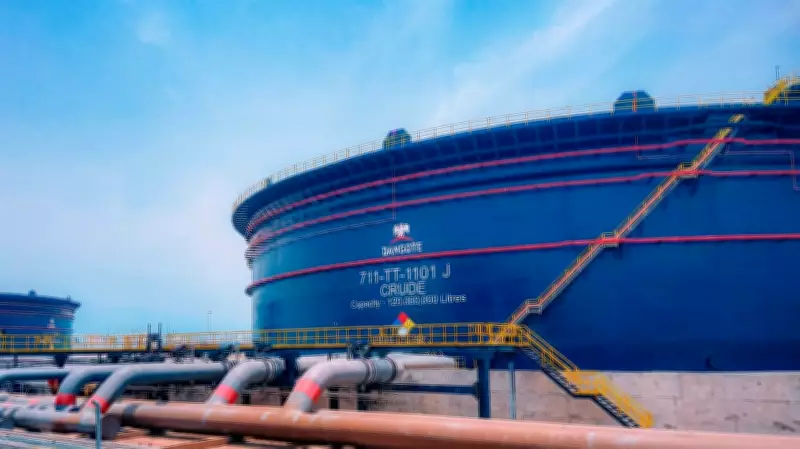
A fresh wave of tension is sweeping through Nigeria's downstream oil sector as Dangote Refinery has reportedly instituted a legal action against the Federal Government over the persistent issuance of petrol import licences to marketers, despite the refinery's operational status.
Legal Challenge Against Import Permits
The multibillion-dollar refinery is questioning why the government continues to grant permits for the importation of Premium Motor Spirit (PMS), commonly known as petrol, even as local refining capacity increases. This lawsuit has ignited widespread debate across the nation, particularly among Nigerians who anticipated that the refinery's launch would drastically reduce the country's reliance on imported fuel and potentially stabilise petrol prices.
Implications for Nigeria's Energy Independence
Industry analysts view this development as a critical test of Nigeria's ambitions for energy self-sufficiency and the future configuration of its oil market. For decades, despite being Africa's largest crude oil producer, Nigeria has depended heavily on imported refined petroleum products due to the inefficiency of state-owned refineries. The emergence of the Dangote Refinery was hailed as a transformative milestone capable of reshaping the nation's economic narrative, securing supply, generating employment, and alleviating pressure on foreign exchange reserves.
However, the latest legal move suggests underlying tensions over market control, pricing power, and regulatory frameworks within the sector. Economic experts warn that the court's decision could have far-reaching consequences, not only for fuel marketers and regulators but also for millions of Nigerians who endure volatile fuel prices and rising transportation costs.
Market Competition vs. Local Production
The refinery, recognised as one of the world's largest single-train refineries, has remained a focal point of national economic discourse since commencing operations. Proponents argue that local refining should naturally diminish the necessity for substantial fuel imports, while others contend that maintaining import licences fosters market competition and prevents monopolistic practices.
As reactions to the lawsuit continue to unfold, many Nigerians are closely monitoring whether the case will trigger a significant policy overhaul in the oil industry or intensify the ongoing debate over deregulation and fuel supply dynamics in the country.




