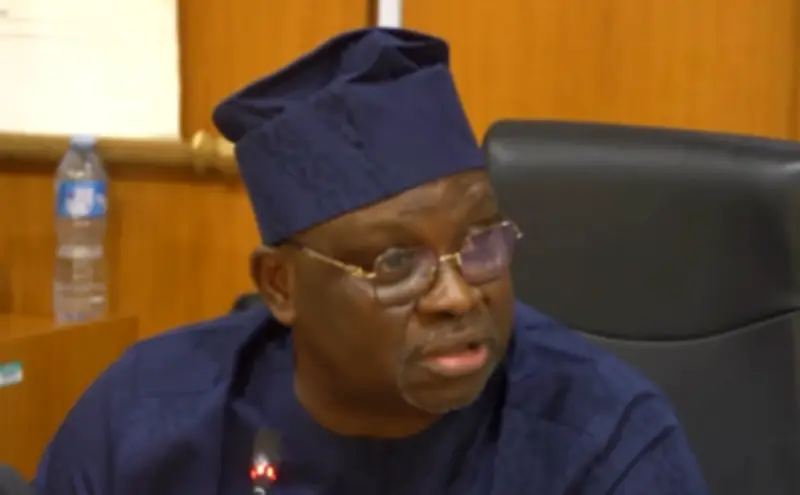
The newly appointed Chairman of the Rural Electrification Agency (REA), Ayo Fayose, has attributed Nigeria's rapid population increase to the persistent lack of electricity. Speaking on Friday, August 7, shortly after assuming office, Fayose offered a candid and somewhat humorous explanation for the country's demographic trends.
Fayose's Unconventional Theory on Population Growth
According to Fayose, the absence of reliable power supply forces many Nigerians to retire to bed early, leading to increased nighttime activities within households. "When you don’t address the issue of electricity, by 7 o’clock it gets dark, and people start engaging with their wives, so the population doubles," he said. The former Ekiti State governor elaborated that without electricity, individuals have limited options for evening recreation, prompting them to stay indoors.
Fayose emphasized that addressing the electricity crisis would transform social habits. "If we address the electricity problem, there will be nightlife. There will be recreation outside your wife," he added, suggesting that improved power supply could reduce the population growth rate by providing alternative evening activities.
Context and Reactions
The comments were made during his first day at the REA headquarters, where he was received by staff and officials. A video of his speech, shared on Instagram by Linda Ikeji's blog, quickly went viral, sparking mixed reactions from Nigerians. Some found the remarks humorous, while others criticized them as oversimplifying a complex issue.
Nigeria, Africa's most populous nation, has over 200 million people and a growth rate of approximately 2.6% annually, according to World Bank data. The country has long struggled with electricity generation, often providing less than 5,000 megawatts for its population, a fraction of demand.
REA's Mandate and Fayose's Appointment
The Rural Electrification Agency is tasked with expanding electricity access to rural areas, where over 60% of Nigerians reside. Fayose's appointment by President Bola Tinubu in August 2025 was seen as a strategic move to revitalize the agency, given his political experience and outspoken nature.
In his inaugural remarks, Fayose promised to prioritize renewable energy solutions and community engagement. He noted, "We must think differently to bring light to every Nigerian, regardless of their location." However, his latest comments have shifted focus to the social implications of energy poverty.
Expert Perspectives
Energy analysts have long argued that lack of electricity hampers economic development, education, and healthcare. Dr. Chukwuemeka Eze, an energy policy expert, told Nigeria Live 24: "While Fayose's comments may be light-hearted, they underscore a serious issue. Reliable power is essential for modern living and economic productivity."
The REA chairman's remarks also highlight the broader challenges facing Nigeria's power sector, including inadequate infrastructure, funding gaps, and inefficiencies. The government has set ambitious targets to increase generation capacity to 30,000 megawatts by 2030, but progress has been slow.
Public Reactions and Social Media Buzz
On social media, the video of Fayose's speech drew thousands of comments. Some users echoed his sentiments, sharing personal anecdotes about how power outages affect family life. Others called for more serious discourse on energy policy.
One Twitter user commented, "Fayose is just saying what many Nigerians experience daily. We need solutions, not jokes." Another defended him, stating, "He's right! When there's no light, what else is there to do?"
As the debate continues, all eyes are on the REA under Fayose's leadership to see if his tenure will bring tangible improvements in rural electrification. The agency has secured funding for several solar mini-grid projects, which could provide off-grid solutions to remote communities.
Looking Ahead
Fayose's appointment has raised expectations for a more aggressive approach to rural electrification. In his first week, he has already held meetings with stakeholders and visited project sites. His unorthodox communication style may not always align with diplomatic norms, but it keeps public attention on critical issues.
Whether his population theory holds merit or not, the underlying message is clear: Nigeria's energy deficit has far-reaching consequences beyond economic metrics. As Fayose put it, "We must bring light to our people, not just for development, but for a better quality of life."