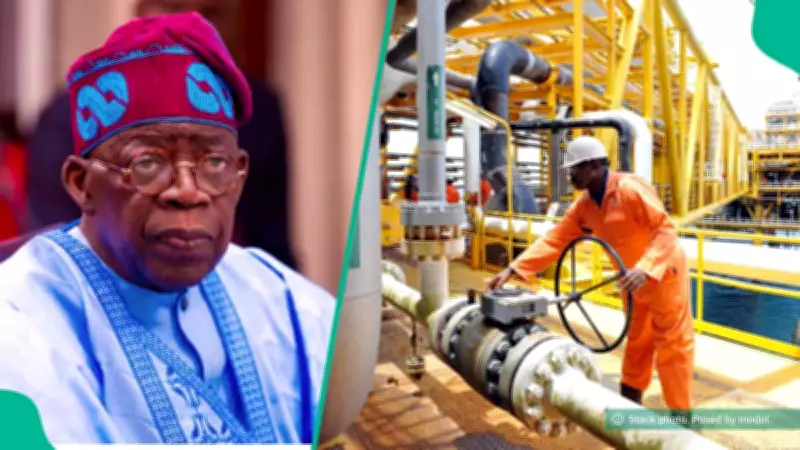
Nigeria Accelerates Idle Oil Well Approvals to Capitalize on High Crude Prices
The Federal Government of Nigeria has implemented a significant regulatory reform, slashing the approval timeline for reactivating idle oil wells from several weeks to just a few hours. This decisive move is part of a broader strategy to rapidly increase crude oil production and maximize revenue from favorable global market conditions, with prices hovering near $100 per barrel.
Streamlined Process Driven by Regulatory Commission
The Nigerian Upstream Petroleum Regulatory Commission (NUPRC) is spearheading this initiative, adopting what it describes as "speedy approvals" for activities that can immediately boost oil output. A commission spokesperson confirmed that approvals previously taking between two and six weeks are now being granted within hours of application submission. This reflects the government's urgent plan to leverage rising crude prices amid shifting global energy dynamics.
Indigenous Companies Show Strong Interest
The policy shift is already attracting substantial attention from indigenous oil companies seeking to revive suspended or underutilized wells. Industry sources highlight that reactivating dormant wells is generally faster and less capital-intensive than drilling new ones, making these re-entry projects particularly attractive for operators looking for quick returns. Compared to greenfield exploration projects that often require years of development, dormant well reactivation can deliver production much more rapidly.
Global Market Competition Intensifies
Nigeria's renewed production push comes as global oil trade patterns shift due to geopolitical tensions in traditional markets, particularly in the Middle East. This has intensified competition among producers, including Nigeria and Angola, to capture market share and maximize revenue. To further support operations, the NUPRC has also streamlined approvals for evacuation processes and the use of barges at production sites and export terminals.
Production Challenges Persist Despite Reforms
Despite these regulatory improvements, Nigeria's oil output remains below expectations. Production dropped to approximately 1.31 million barrels per day in February, partly due to maintenance at a major facility operated by Shell Plc. This figure is significantly below Nigeria's target of 1.84 million barrels per day and its historical peak of over 2 million barrels per day. Even during the 2022 oil price surge triggered by the Russian invasion of Ukraine, Nigeria's output averaged only about 1.34 million barrels per day.
Minister Urges Quick Action from Operators
The Minister of State for Petroleum Resources (Oil), Heineken Lokpobiri, has urged operators to capitalize on current market conditions. Speaking at an industry meeting in London, Lokpobiri emphasized that the global environment presents a short-term opportunity for Nigeria to increase output. He encouraged companies to focus on re-entry programmes and in-field developments that can deliver quick results while highlighting ongoing reforms aimed at improving investor confidence through executive orders and fiscal incentives.
Structural Challenges Remain
While the faster approval process could improve output in the short term, Nigeria continues to face significant challenges including:
- Persistent oil theft incidents
- Critical infrastructure gaps
- Chronic underinvestment in the sector
- Security concerns affecting operations
These factors continue to affect Nigeria's production outlook despite favorable market conditions. Nonetheless, the accelerated approval process signals a more proactive regulatory approach as the country seeks to regain lost production capacity and strengthen its position in the competitive global energy market.
The government's focus on dormant wells represents a strategic shift toward optimizing existing assets while addressing broader sector challenges. As indigenous firms increasingly show interest in these opportunities, the success of this initiative will depend on sustained regulatory efficiency and parallel efforts to resolve systemic issues plaguing Nigeria's oil and gas industry.