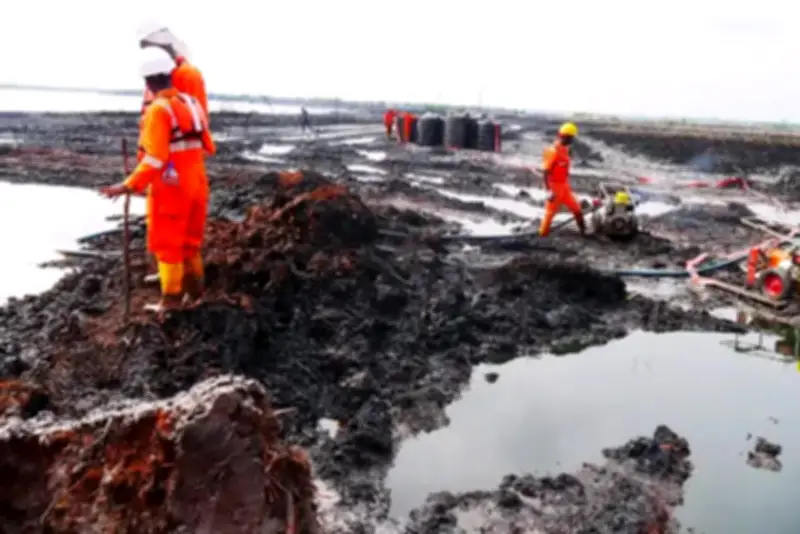
Fresh scrutiny has descended on Shell's legacy in the Niger Delta following the leak of internal documents detailing decades of environmental degradation and alleged regulatory failures. The documents, obtained by investigative journalists and shared with Nigerian authorities, suggest that the oil giant knowingly underreported the extent of oil spills and downplayed their impact on local communities.
Leaked Documents Detail Widespread Pollution
The leaked files, including emails, technical reports, and internal memos dating back to the 1990s, indicate that Shell's operations in the region resulted in over 2,000 documented spills, many of which were not cleaned up promptly. According to the documents, some spill sites were abandoned, leaving crude oil to seep into farmland and waterways. Community leaders in Bayelsa and Rivers states have expressed outrage, calling on the government to revoke Shell's licenses.
“These documents confirm what we have always known: Shell prioritized profits over the health of our people and environment,” said Chief Tamunotonye Briggs, a community representative from Ogoniland. “We demand a full investigation and reparations.”
Regulatory Failure and International Pressure
The leak has intensified pressure on both Shell and Nigeria's National Oil Spill Detection and Response Agency (NOSDRA), which has been criticized for lax enforcement. The documents reportedly show that NOSDRA officials were sometimes complicit in downplaying spill sizes or accepting bribes to close cases. Environmental groups are calling for a parliamentary inquiry.
Shell responded in a statement, acknowledging the leaks but denying any deliberate wrongdoing. “Shell operates with integrity and complies with all applicable laws. We are reviewing the documents and will cooperate with any regulatory investigation,” a spokesperson said. However, activists dismissed the response as insufficient.
Economic and Health Impacts on Local Communities
A 2023 study cited in the documents found that the average life expectancy in oil-producing communities is 10 years lower than the national average, with high rates of cancer, respiratory diseases, and birth defects. The economic cost is also staggering: fishing and farming—the main livelihoods—have been devastated. A 2024 report by the Niger Delta Development Commission estimates that cleanup costs could exceed $5 billion.
“The damage is irreversible in many areas,” said Dr. Nnenna Okafor, an environmental health researcher at the University of Port Harcourt. “We need immediate remediation and a shift to sustainable development.”
Legal and Political Repercussions
The leaked documents come as Shell faces a landmark lawsuit in the UK, where 11,000 Niger Delta residents are seeking compensation for spills. Nigerian lawmakers have also threatened to summon Shell executives. The scrutiny is likely to affect Shell's ongoing divestment from onshore operations, a deal worth $2.4 billion, which activists say should be paused pending the outcome of investigations.
As calls for accountability grow, the leak has become a flashpoint in the broader debate about environmental justice and corporate responsibility in Africa's largest oil producer.