Financial institutions can eliminate branch energy volatility by adopting managed power networks, according to a new analysis. The approach involves centralizing energy infrastructure and management to ensure stable, cost-effective power supply across branches.
Understanding the Managed Power Network Model
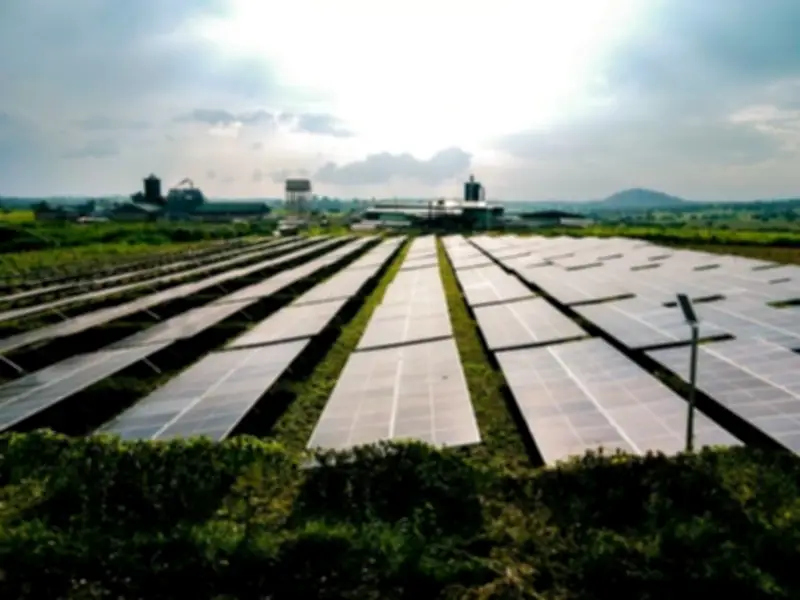
A managed power network consolidates energy generation, storage, and distribution for multiple sites, often using a mix of grid, solar, and backup systems. This contrasts with traditional per-branch generators, which are noisy, costly, and prone to failure.
The analysis highlights that volatility in energy supply—due to grid instability and fuel price fluctuations—creates operational risks for banks. A managed network mitigates this by providing predictable energy costs and reduced downtime.
Financial and Operational Benefits
According to the article, the model can lower energy expenses by up to 30% through economies of scale and optimized fuel usage. It also reduces maintenance burdens and frees up branch staff to focus on core banking activities.
“Banks that adopt managed power networks can achieve significant cost savings and improve service reliability,” said an industry expert quoted in the source.
Implementation Considerations
Building such a network requires upfront capital investment and long-term partnerships with energy service providers. However, the long-term benefits outweigh initial costs, especially for banks with extensive branch networks.
The analysis concludes that financial institutions that embrace this model will be better positioned to handle energy volatility and meet customer expectations in a competitive market.