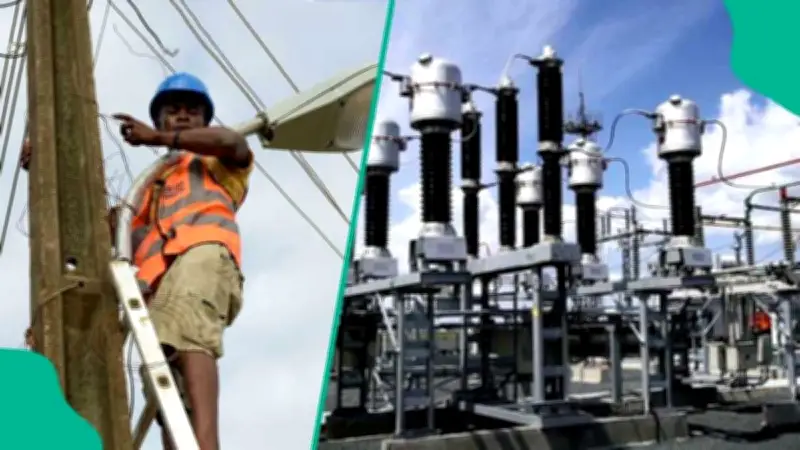
The Federal Government has confirmed its commitment to gradually eliminate electricity subsidies and implement cost-reflective tariffs across Nigeria's power sector, while assuring that low-income and vulnerable households will receive targeted support to cushion the impact of the reforms.
Government Reaffirms Policy to End Subsidies
The assurance was given by the Special Adviser to the President on Power Infrastructure, Sadiq Wanka, during the Asharami Square 3.0 event organised by Sahara Group in Lagos on Wednesday, July 22, 2026. The event, themed "Energising Africa's Future: Legacy, Impact, and Transformation," focused on sustainable energy development and the future of Africa's power sector.
Wanka acknowledged that the transition to cost-reflective electricity pricing remains one of the most sensitive issues in Nigeria's power sector, particularly among investors and industry stakeholders. He explained that the government had already begun the process through the introduction of cost-reflective tariffs for Band A customers but noted that extending the policy to other customer categories would only happen alongside measures to protect vulnerable consumers.
Vulnerable Households to Receive Support
Wanka stated: "It’s official government policy that there would be a transition to cost-reflective tariffs across the board with protections for vulnerable households. So I believe that’s something that should happen probably in the next year or so." According to him, the transition is now an official government policy, with the proposed Power Consumer Assistance Fund expected to provide financial support to poorer households once the reforms are fully implemented. He added that while the exact timeline remains uncertain, the government expects the nationwide rollout of cost-reflective tariffs, backed by consumer protection measures, to take place within the next year.
Nigeria Needs Up to $12 Billion Yearly for Power Sector
Wanka also stressed that Nigeria's electricity industry still trails many comparable emerging economies despite ongoing reforms. He said the country currently attracts roughly $1 billion in annual investment across electricity generation, transmission and distribution, a figure he described as far below what is required to transform the sector. According to his presentation, Nigeria will need between $9 billion and $12 billion in yearly investments through 2045 to achieve universal electricity access and meet growing industrial demand.
Power Sector Funding Gap Remains Wide
The presidential aide estimated that total investment requirements for Nigeria's electricity sector could reach about $121 billion over the next two decades. He noted that increasing investment and accelerating reforms would be critical to improving power supply, expanding access to electricity and supporting the country's economic growth.
Former Minister Alleges Sabotage by Fuel Suppliers
In related news, Barth Nnaji, a former minister of power, alleged that fuel suppliers and generator sellers are sabotaging efforts to ensure that Nigerians have consistent access to power. He made the claim while participating in "The South East Political Roundtable" on Flo FM in Umuahia, Abia State. According to the former minister, the ongoing failure of the national grid remained a significant source of concern for Nigerians.