
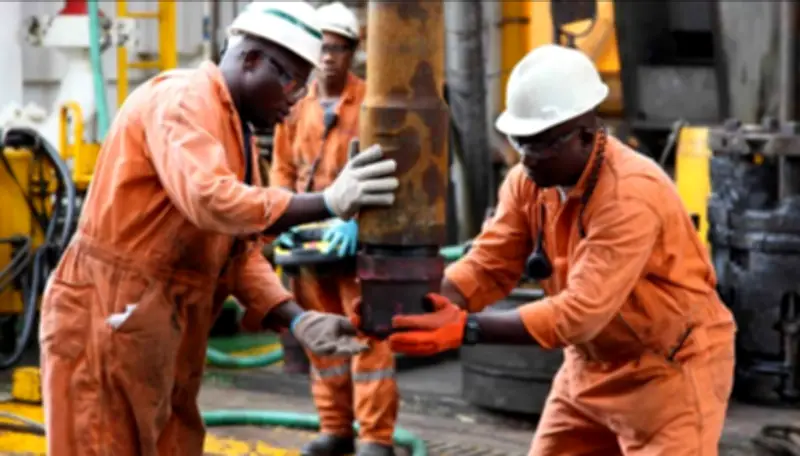
Nigeria's crude oil output remained above 1.5 million barrels per day (mbpd) for the third consecutive month in July, even as production dipped slightly from the previous month, according to data from the Organisation of Petroleum Exporting Countries (OPEC).
Production Figures for July
OPEC's Monthly Oil Market Report, released on Tuesday, showed that Nigeria produced an average of 1.53 million barrels per day in July, a marginal decline from the 1.54 million barrels per day recorded in June. The figures are based on secondary sources, which include industry data and intelligence agencies.
The slight drop in July follows a period of relative stability, as Nigeria has managed to sustain output above the 1.5 mbpd threshold since May. This is a positive sign for the country, which has struggled in recent years to meet its OPEC production quota due to pipeline vandalism, theft, and underinvestment.
Comparison with OPEC Quota and Previous Months
Despite the consistent performance, Nigeria's output remains below its OPEC quota of 1.5 million barrels per day, which was set during the organization's June meeting. However, the country has been exempted from further cuts, and its current production level is close to the target.
In May, Nigeria's output was 1.52 mbpd, and in April it was 1.50 mbpd. The July figure of 1.53 mbpd is a slight improvement over May but a decrease from June. The data also showed that Nigeria's production has been above 1.5 mbpd for three consecutive months, a feat not achieved since early 2020.
Impact on Government Revenue and Foreign Exchange
The sustained production level is crucial for Nigeria's economy, as oil exports account for over 90% of the country's foreign exchange earnings and a significant portion of government revenue. The increase in output, coupled with relatively high oil prices, has helped boost the nation's foreign reserves and stabilize the naira.
According to the Nigerian Upstream Petroleum Regulatory Commission (NUPRC), the country's production capacity is higher than the OPEC figures, as the regulator uses a different methodology that includes condensate. However, OPEC's figures are used for quota compliance and international comparisons.
Outlook and Challenges
Looking ahead, Nigeria faces several challenges in maintaining and increasing its production levels. These include aging infrastructure, security issues in the Niger Delta, and the need for new investments in exploration and production. The government has been working to attract investment through fiscal incentives and improved security, but progress has been slow.
Despite these challenges, the recent stability in output is a positive development for the country. If Nigeria can sustain production above 1.5 mbpd and potentially increase it further, it could help improve its fiscal position and support economic growth. The next OPEC meeting is scheduled for September, where member countries will review production levels and quotas.




