
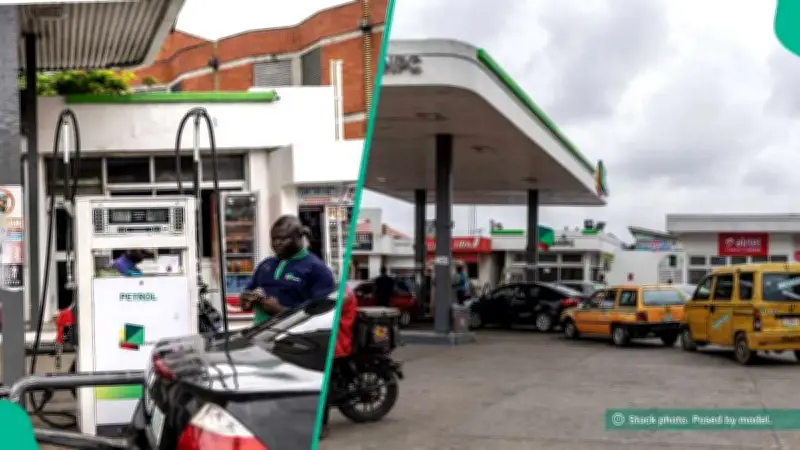
The Nigerian National Petroleum Company Limited (NNPC) has once again slashed petrol prices at its retail outlets in Lagos and Abuja, marking the second downward adjustment within a five-day span. This move is part of a broader trend of falling pump prices in Nigeria's downstream petroleum market, driven by intensified competition and declining global crude oil prices.
Effective Friday, August 7, 2026, NNPC reduced the pump price in Lagos by N10 per litre, bringing it down from N1,265 to N1,255. In Abuja, the reduction was more substantial, with the price dropping by N36 per litre from N1,335 to N1,299. These adjustments follow a similar cut just days earlier, signaling a rapid response to market dynamics.
Dangote Refinery's Price Cut Sparks Competition
The latest NNPC reductions come on the heels of a significant price cut by Dangote Petroleum Refinery. On Wednesday, August 6, 2026, the Lekki-based refinery reduced its ex-depot petrol price by N50 per litre, from N1,215 to N1,165. Additionally, Dangote slashed the price of diesel by N80 per litre, from N1,650 to N1,570.
Dangote Petroleum Refinery attributed the price reduction to improved operational efficiencies and favorable market conditions. The company emphasized its commitment to making fuel more affordable for Nigerians and reducing energy costs for businesses. In a statement, the company said: "Dangote Petroleum Refinery remains committed to ensuring stable supply while leveraging operational efficiencies to deliver value to consumers, businesses and stakeholders."
Global Crude Prices Decline
The domestic price cuts are occurring against a backdrop of sharp declines in international crude oil prices. Oil markets fell by more than 5% on Tuesday and continued to slide on Wednesday, as traders responded to reports of diplomatic progress between the United States and Iran. At the time of reporting, Brent crude was trading at $79.70 per barrel, down 5.23%, while the US benchmark West Texas Intermediate stood at $75.62 per barrel.
These global trends have a direct impact on Nigeria's fuel pricing, as the country relies heavily on imported refined products and crude oil exports. The combination of lower international prices and increased domestic refining capacity is creating a more competitive environment.
Impact on Filling Stations and Consumers
The combined effect of NNPC's two price reductions and Dangote Refinery's lower ex-depot rate is expected to increase pressure on filling station operators to follow suit. However, retail prices remain subject to variation by location and marketer, meaning consumers may see different prices depending on where they purchase fuel.
Earlier reports from Legit.ng indicated that private depots have also adjusted their petrol prices, but Dangote Refinery remains the cheapest source at N1,166 per litre, down from N1,215 previously. The latest depot price list shows PMS prices ranging from N1,166 to N1,182 per litre across various locations. Dangote Refinery and Pinnacle are currently the lowest-priced suppliers, while Liquid Bulk and Matrix recorded the highest price of N1,182 per litre.
Market Reactions and Future Outlook
Industry analysts expect that the ongoing price war between NNPC and Dangote Refinery will continue to benefit consumers, as both entities seek to capture market share. The reductions are also likely to have a positive impact on the broader economy, lowering transportation and production costs for businesses.
However, some experts caution that sustained low prices may not be sustainable in the long term, particularly if global crude prices rebound or if operational challenges arise. For now, Nigerian motorists and businesses can enjoy some relief at the pumps, with the prospect of further reductions if market conditions remain favorable.




