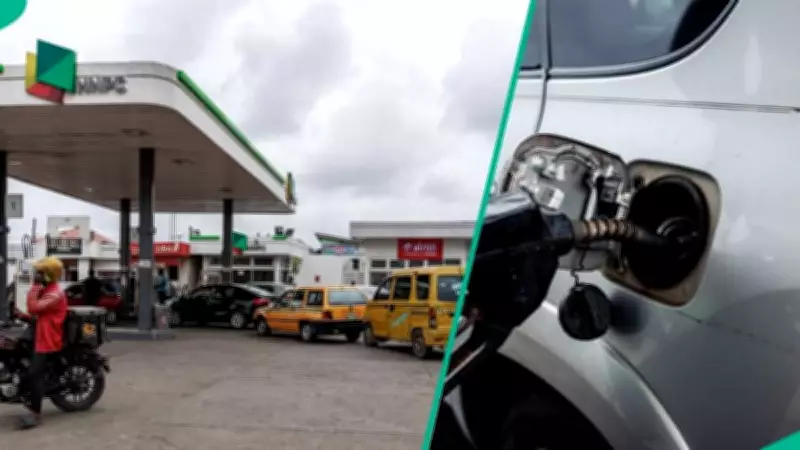
NNPC Announces Fresh Petrol Price Increase, Widening Gap with Dangote Refinery
In a move that has sparked widespread concern among consumers and industry stakeholders, the Nigerian National Petroleum Corporation (NNPC) Limited has once again adjusted petrol pump prices across its retail outlets nationwide. This latest increase comes barely 48 hours after the previous adjustment, marking a rapid escalation in fuel costs that is putting pressure on household budgets and business operations.
Price Details and Regional Variations
A comprehensive market survey conducted this week reveals the extent of the price adjustments. In Lagos, NNPC filling stations have raised petrol prices from N835 per litre to N892 per litre, representing a significant N57 increase over the weekend. Meanwhile, in the nation's capital Abuja, the pump price has climbed from N835 to N875 per litre at NNPC retail locations.
The timing of these adjustments has raised eyebrows across the industry, particularly as they were implemented without prior public announcement or official explanation from NNPC management. Efforts to reach NNPC spokesperson Andy Odeh for clarification on the rationale behind these changes proved unsuccessful, leaving many questions unanswered about the corporation's pricing strategy.
Growing Disparity with Dangote Refinery Rates
Perhaps most concerning for market observers is the widening price gap between NNPC stations and those supplied by the Dangote Petroleum Refinery. The latest NNPC prices now stand approximately N53 higher than the rates offered by Dangote Refinery partners such as MRS Oil Nigeria Plc.
Market checks conducted on Monday, February 2, showed that competing stations including Ardova Plc, MRS, and First Royal were selling petrol at prices ranging between N835 and N840 per litre. This substantial price differential has created market distortions and raised questions about NNPC's competitive positioning in the downstream petroleum sector.
Industry Concerns and Warnings
The National Publicity Secretary of the Independent Petroleum Marketers Association of Nigeria (IPMAN), Chinedu Ukadike, has expressed grave concerns about the sustainability of current pricing trends. In an interview with Punch newspaper, Ukadike warned that the combination of rising crude oil prices and unfavorable exchange rate movements could potentially drive petrol pump prices to N1,000 per litre across Nigeria.
Ukadike explained the fundamental economics behind fuel pricing, noting that crude oil costs and exchange rates remain the primary determinants of domestic petroleum prices. Any significant movement in either of these factors directly impacts what consumers pay at the pump, creating volatility in an already sensitive market.
Calls for Government Intervention
In response to the escalating prices, industry leaders are urging the federal government to implement strategic interventions to stabilize the market. Ukadike has specifically called for a special crude oil arrangement for domestic refineries, which could help moderate pump prices and provide some relief to consumers.
The IPMAN spokesperson has also suggested that the government consider reintroducing a form of crude oil subsidy specifically designed to shield Nigerian consumers from the full impact of global price hikes. Such measures, he argues, would help maintain economic stability while supporting the growth of local refining capacity.
Dangote Refinery's Expanding Capacity
Amid these pricing challenges, the Dangote Petroleum Refinery continues to make significant progress toward becoming a major player in the global refining landscape. The $20 billion facility, located in Lekki, Lagos State, is currently undergoing upgrades that will increase its processing capacity from 650,000 barrels per day to 700,000 barrels per day by the end of 2025.
Work on critical refining units, including the Residual Fluid Catalytic Cracker (RFCC), is reportedly at an advanced stage. Once completed, this expansion will position the Dangote Refinery as the sixth-largest refinery in the world, surpassing South Korea's Onsan Refinery which currently processes 669,000 barrels per day.
Market Implications and Consumer Impact
The repeated price adjustments by NNPC have created uncertainty in the petroleum products market, with independent marketers expressing concerns about their ability to compete effectively. A station manager in the Ikotun area of Lagos, who identified himself as John, revealed that they received instructions to adjust their pumps to N892 on Friday.
"This could be a challenge for us given most filling stations around us are selling at lower rates," John stated, highlighting the competitive disadvantage created by NNPC's pricing decisions. This sentiment reflects broader concerns within the industry about market fairness and the potential for price distortions to undermine healthy competition.
As Nigeria navigates these complex energy market dynamics, stakeholders across the economic spectrum will be watching closely to see how government policies, corporate strategies, and market forces interact to determine the future of petroleum pricing in Africa's largest economy.