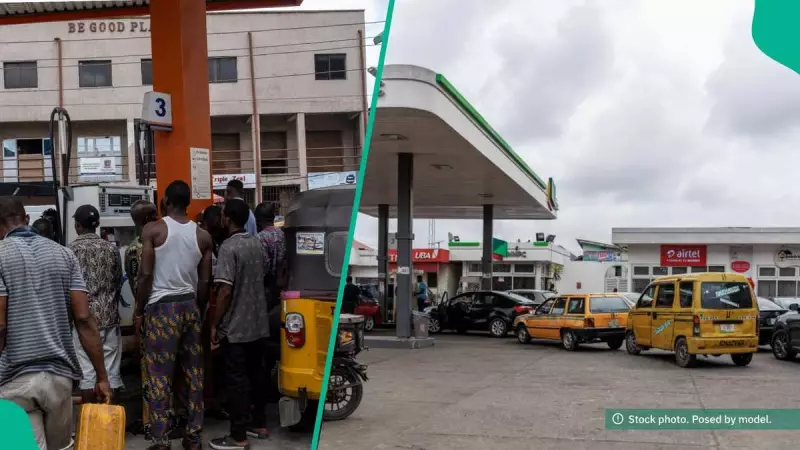
In a significant development for Nigerian motorists, the Nigerian National Petroleum Company (NNPC) Limited has announced a reduction in the pump price of Premium Motor Spirit (PMS), commonly known as petrol. This move comes directly on the heels of a similar price adjustment initiated by the Dangote Petroleum Refinery, signaling a potential shift in the dynamics of the country's downstream petroleum sector.
Details of the NNPC Price Adjustment
The price cuts were implemented in key metropolitan areas across the nation. In Lagos, the NNPC has lowered the price from N890 to N875 per litre. Meanwhile, in the capital city of Abuja, the price has been reduced from N920 to N915 per litre. This adjustment, confirmed on Monday, December 15, 2025, is expected to prompt other major and independent filling stations to review their own pricing structures in the coming days.
The catalyst for this change was the strategic decision by the Dangote Refinery. The refinery, owned by billionaire industrialist Aliko Dangote, announced a reduction of its gantry price to N699 per litre and set a new retail price of N739 per litre for its network of partner stations. Speaking at a press briefing at the Lekki-based refinery, Dangote emphasized that the new, lower price would be strictly enforced.
"Starting Tuesday, MRS will begin selling petrol at N739 per litre. We will definitely enforce that low price. You won't buy petrol at N970 per litre again," Dangote declared.
Impact and Market Reaction
The Dangote Refinery's price reduction has immediately created a more competitive landscape. Partner stations slated to adopt the N739 per litre price include major marketers like MRS Oil Nigeria Plc, Conoil Plc, Eterna Plc, Golden Super, Nepal Energies, Kifayat Global Energy, Riquest Oil and Gas, and Emadeb Energy Services Limited.
Financial analyst Kalu Aja provided context for the price movements, stating, "The PMS price in Nigeria is falling because of new supply from the Dangote refinery. If Dangote were the only supplier of PMS, he would not sell at N699, ditto the other importers. Nigeria has a supply problem, not a demand problem." This analysis highlights the growing influence of domestic refining capacity in stabilizing and potentially reducing fuel costs, which have been heavily dependent on imports.
Key Takeaways from the Fuel Price Shift
The recent events point to several critical developments in the energy market:
- The reduction by Dangote Refinery has effectively forced the hand of the NNPC and other marketers, potentially marking the beginning of a price war in the downstream sector.
- Motorists are beginning to see tangible relief at the pump, particularly at stations affiliated with the Dangote network.
- The ability to offer cheaper petrol locally underscores the strategic importance of domestic refining in reducing import reliance and controlling costs.
- Dangote's aggressive pricing demonstrates its rapidly growing influence over national fuel pricing, challenging the NNPC's historical dominance.
- The structure of incentives appears to favour large-scale marketers, which will influence how quickly these price reductions filter down to all retail outlets nationwide.
In a related development, the article also referenced the slow pace of Nigeria's transition to Compressed Natural Gas (CNG). Despite CNG being significantly cheaper—costing about 74% less than petrol as of April 2025—widespread adoption is hampered by insufficient refuelling infrastructure. Data indicates Nigeria currently has only 68 autogas stations, though more are under construction.