
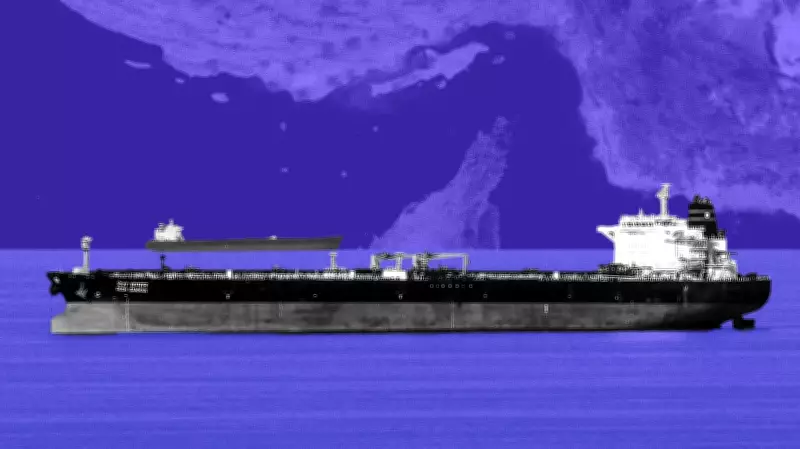
Oil Prices Tumble 10% as Wall Street Rallies to Another Record After Iran Reopens the Strait of Hormuz
Global markets experienced a sharp rally on Friday, April 17, following Iran's announcement that it would reopen the Strait of Hormuz. This move significantly eased fears of prolonged disruptions to worldwide oil supplies, which had been a major concern for investors and economies globally.
Significant Drop in Oil Prices
Oil prices plummeted by more than 10% in response to the news. Specifically, U.S. crude oil fell by 10.8% to settle at $81.28 per barrel, while Brent crude declined by 10.3% to $89.13. The reopening of this critical shipping route allows oil tankers to resume free movement from the Persian Gulf to international markets, restoring a key artery for global energy trade.
Wall Street Surges to New Heights
On Wall Street, investor confidence strengthened dramatically, leading to substantial gains across major indexes. The S&P 500 rose by 0.8%, the Dow Jones Industrial Average climbed 678 points, representing a 1.4% increase, and the Nasdaq Composite gained 1%. These advances positioned U.S. markets for a third consecutive week of strong performance, highlighting a robust recovery from recent volatility.
Growing Hopes for Economic Stability
The market rebound is fueled by growing optimism that the United States and Iran may avoid the worst-case economic fallout from their ongoing conflict. U.S. President Donald Trump reinforced this sentiment by stating that the war "should be ending pretty soon," which bolstered investor confidence and contributed to the positive market movement.
Conditions for the Strait's Reopening
Iran's Foreign Minister, Seyed Abbas Aragchi, confirmed that the Strait of Hormuz would remain open for commercial vessels during the ceasefire period, provided they adhere to designated routes. However, Iranian authorities made it clear that military vessels would still not be permitted through the waterway, indicating ongoing security measures.
Persisting Tensions and Market Volatility
Despite the reopening, tensions remain elevated. The United States is maintaining a naval blockade targeting Iranian-linked shipping, with President Trump asserting that this restriction will remain "in full force" until a final agreement with Tehran is reached. Markets have been highly volatile since the conflict began, with sharp swings driven by uncertainty over potential supply disruptions. The reopening of the Strait is the clearest sign yet of stabilization, although oil prices remain above pre-war levels, reflecting continued caution among traders.
Global Market Reactions
European markets also reacted positively to the news, with major indexes posting gains of around 2%. In contrast, Asian markets had closed lower earlier in the day before the announcement, highlighting the timing impact of the development. In the bond market, U.S. Treasury yields fell as declining oil prices reduced inflation concerns, with the 10-year yield easing to 4.24%.
Improved Market Sentiment
While risks and uncertainties persist, the reopening of the Strait of Hormuz has significantly improved market sentiment, at least in the short term. This event marks a pivotal moment in the ongoing geopolitical and economic landscape, offering a respite from the recent turbulence and providing a foundation for potential further recovery in global markets.




