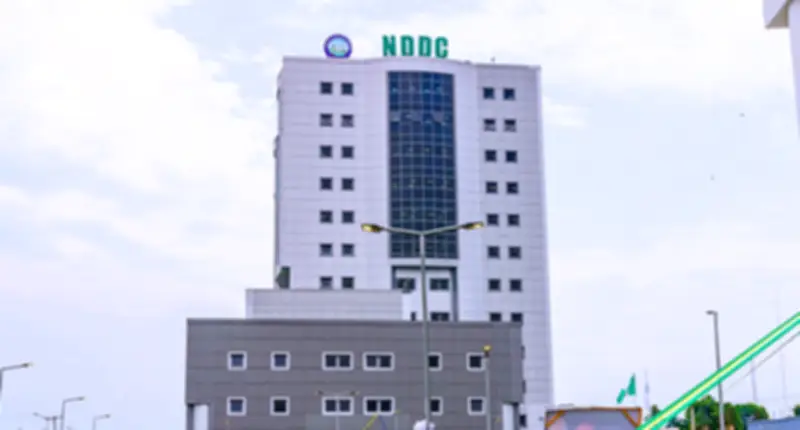
Oil and gas companies operating in Nigeria have remitted a total of $6.755 billion and N1.529 trillion to the Niger Delta Development Commission (NDDC) as statutory contributions between 2021 and 2025. The disclosure was made during an investigative hearing by the Senate Public Accounts Committee, which is examining audit queries from the Nigerian Extractive Industries Transparency Initiative (NEITI) for the 2021–2023 period.
Details of the Remittances and Outstanding Balances
The NDDC presented an updated report showing that despite these substantial remittances, oil and gas companies still owe the commission $290 million and N163 billion in outstanding statutory contributions for the same period. These contributions represent the mandatory three per cent of their annual budgets that oil and gas firms must pay to fund development projects and environmental interventions in the Niger Delta region.
The NDDC's Managing Director, Samuel Ogbuku, was represented at the hearing by the Executive Director of Corporate Services, Ifedayo Abegunde, who led the commission's delegation. The presentation highlighted both the progress made and the significant gaps in compliance by some operators.
Senate Investigative Hearing and RMAFC's Revelations
The Senate Public Accounts Committee, chaired by Senator Ibrahim Dankwambo, is investigating audit queries issued by the Office of the Auditor-General of the Federation concerning the operations of extractive industries between 2021 and 2023. The hearing aims to ensure accountability and transparency in the management of revenues from Nigeria's natural resources.
Meanwhile, the Chairman of the Revenue Mobilisation Allocation and Fiscal Commission (RMAFC), Mohammed Shehu, disclosed that Nigeria spent N1.16 trillion on fuel subsidy in 2021, while another N1.20 trillion was deducted from the Federation's crude oil sales proceeds during the same period. Shehu described fuel subsidy payments as a significant drain on public finances, noting that these funds could have been channeled into critical infrastructure and social services.
Other Deductions from Crude Oil Revenue
Shehu also detailed other deductions from crude oil revenue, including N16.20 billion for crude and petroleum product losses, N22.05 billion for pipeline repairs, and N6.75 billion for strategic stock holding. These deductions, he explained, are necessary operational costs but require careful monitoring to prevent abuse.
The RMAFC chairman raised concerns about the calculation of the 13 per cent derivation fund, arguing that the current method undermines the constitutional objective of the policy. He called for a review of the formula to ensure that oil-producing communities receive their fair share of revenues, as enshrined in the Nigerian Constitution.
Implications for the Niger Delta and National Economy
The remittances to the NDDC are crucial for the development of the Niger Delta, a region that has historically faced environmental degradation and underdevelopment. The outstanding contributions, if recovered, could significantly boost ongoing projects in infrastructure, education, and healthcare. However, the persistence of unpaid dues suggests a need for stronger enforcement mechanisms.
The Senate committee's investigation is expected to recommend measures to improve compliance and ensure that all oil and gas companies meet their statutory obligations. The findings may also influence future policy decisions on revenue allocation and subsidy management, as Nigeria seeks to optimize its oil and gas revenues for national development.