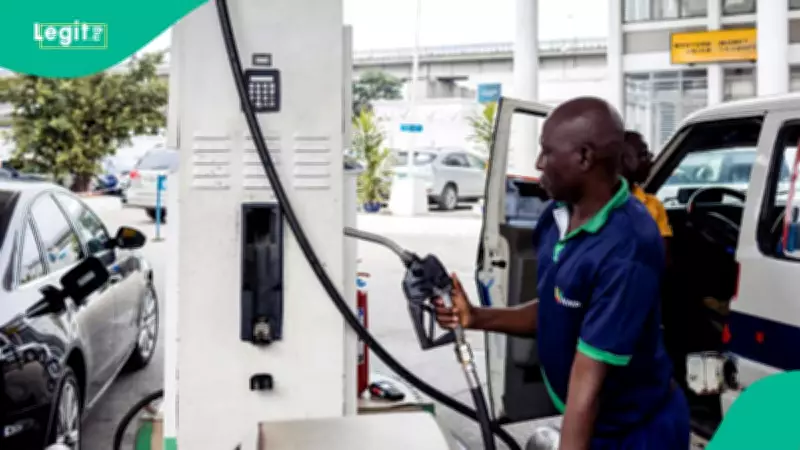
Motorists in Abuja are experiencing some relief as several filling stations have reduced petrol prices in a fresh move to attract customers. Recent checks across the Federal Capital Territory show pump prices dropping to around N1,295 per litre, down from N1,330 just days earlier.
Marketers Battle for Patronage
The N35 reduction, though modest, signals intensifying competition among fuel marketers and offers some respite for consumers grappling with high transportation and living costs. The latest adjustments have been observed at stations operated by AA Rano, Ranoil, and Mobil in different parts of Abuja. Industry players say the reductions are largely driven by the need to remain competitive in a crowded downstream market.
Major operators such as the Nigerian National Petroleum Company Limited (NNPC), MRS, AP (Ardova Plc), and NIPCO have maintained price bands between N1,290 and N1,295 per litre for weeks, effectively setting the benchmark for other marketers to follow. This price alignment has triggered a subtle pricing war, with independent and major marketers alike adjusting rates to avoid losing customers.
Why Prices Are Falling
According to Abubakar Maigandi, President of the Independent Petroleum Marketers Association of Nigeria (IPMAN), the decision to lower prices is strategic. "It is required to boost patronage," he said, noting that marketers are responding to consumer sensitivity to price changes. With many Nigerians cutting down on fuel consumption or seeking cheaper alternatives, stations are under pressure to offer more attractive pricing to maintain sales volumes.
Stability Despite Global Tensions
Interestingly, the downward adjustment comes at a time when global crude oil prices remain elevated. Ongoing geopolitical tensions in the Middle East, particularly involving Iran and the United States, have kept the oil market volatile. As of Friday, April 24, 2025, Brent crude traded at about $105 per barrel, while West Texas Intermediate hovered around $94, largely influenced by uncertainty surrounding the Strait of Hormuz, a critical oil transit route.
Despite these pressures, local petrol prices have remained relatively stable since April 9, 2026, suggesting that domestic market dynamics and competition are playing a stronger role in short-term pricing.
What This Means for Consumers
For commuters and businesses, even a slight drop in fuel prices can have a ripple effect, potentially easing transport fares and operational costs. However, analysts caution that the relief may be temporary, given the unpredictable nature of global oil markets. For now, Abuja residents can take advantage of the lower prices as marketers continue to jostle for market share, keeping pump rates in check—at least in the short term.
Petrol prices are expected to decline following a sharp drop in global crude oil prices after the reopening of the Strait of Hormuz. The development comes after a ceasefire agreement involving the United States, Iran and Israel, which restored confidence in global shipping routes and eased supply disruptions that had driven oil prices higher in recent weeks. Checks by Petroleumprice.ng across depots nationwide indicated that prices eased by the close of trading on Friday, April 17, as global crude benchmarks declined.