
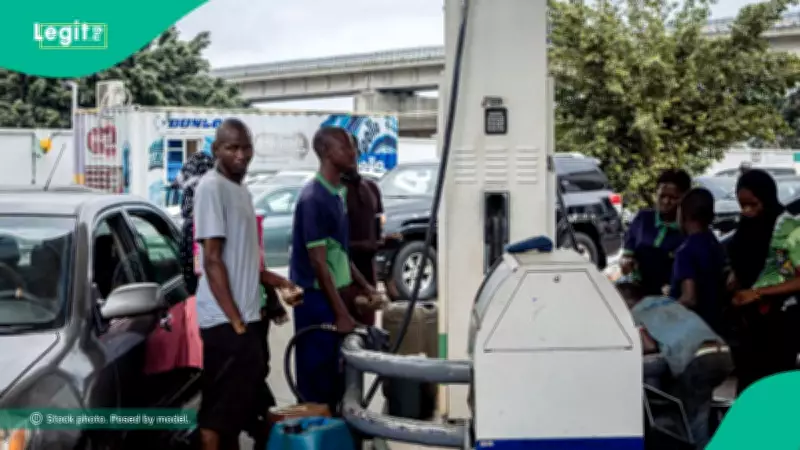
Nigerian Petrol Price Relief Hopes Fade as Iran Recloses Strait of Hormuz
Hopes for a significant reduction in petrol prices in Nigeria have been dashed following Iran's decision to reclose the Strait of Hormuz, a critical global oil shipping lane. This move has disrupted earlier projections that could have seen pump prices fall from around N1,250 per litre to approximately N900, as renewed tensions with the United States escalate.
Impact of Strait Closure on Global Oil Markets
The Strait of Hormuz, which accounts for about 20% of globally traded crude oil, was briefly reopened on Friday, April 17, after a ceasefire deal between Iran and the United States. This reopening triggered a sharp decline in oil prices, with Brent crude dropping below $90 per barrel, raising optimism among Nigerian fuel marketers for lower petrol costs.
However, less than 24 hours later, Iran reversed course and shut the strait again, citing continued US blockade of its ports. The Iranian military stated that the waterway had "returned to its previous state," with reports of attacks on vessels attempting to pass through. This decision drove crude oil prices up to $95 on Monday, April 20, effectively halting earlier expectations for price relief.
Fuel Marketers' Projections and Current Realities
Joseph Obele, spokesman for the Petroleum Products Retail Outlet Owners Association of Nigeria (PETROAN), had initially projected that Nigerians would see petrol prices fall below N1,000 per litre, potentially reaching N900, following the strait's reopening. He emphasized that the reopening would lead to a significant reduction in pump prices.
However, speaking on Sunday, Obele acknowledged that the renewed closure has disrupted these projections. He stated, "The status quo will remain for now until there is a lasting ceasefire between Iran and the United States." This indicates that current high petrol prices, averaging around N1,250 per litre, may persist in the near term.
US-Iran Tensions and Global Implications
US President Donald Trump accused Iran of violating the ceasefire by attacking ships in the Strait of Hormuz and warned of possible retaliation if tensions continue. He said, "Iran decided to fire bullets yesterday in the Strait of Hormuz, a total violation of our ceasefire agreement," adding that the US could target Iranian energy infrastructure if no agreement is reached.
Despite the renewed disruption, global oil prices have only risen moderately. Olatide Jeremiah, CEO of PetroluemPrice.ng, highlighted the broader impact, noting, "The only way to prevent fuel prices from being at the mercy of oil prices is to give full priority to Nigerian crude to our local refineries. Otherwise, oil shocks will continue to influence our local prices and markets."
Current Petrol and Related Fuel Prices in Nigeria
According to the latest Energy Bulletin report from the Major Energies Marketers Association of Nigeria (MEMAN), released on Tuesday, April 14, petrol prices remain under pressure. At the Dangote Refinery, petrol is priced at about N1,153 per litre (coastal) and around N1,200 per litre at the gantry. Diesel is estimated at N1,750 per litre, while aviation fuel is priced at approximately N1,916.22 per litre.
These figures underscore the ongoing challenges in Nigeria's fuel market, where importation costs continue to outpace domestic refinery prices, contributing to sustained high costs for consumers.
As global tensions persist, Nigerians hoping for relief at the pumps may face extended waits, with market stability hinging on diplomatic resolutions between Iran and the United States.




