
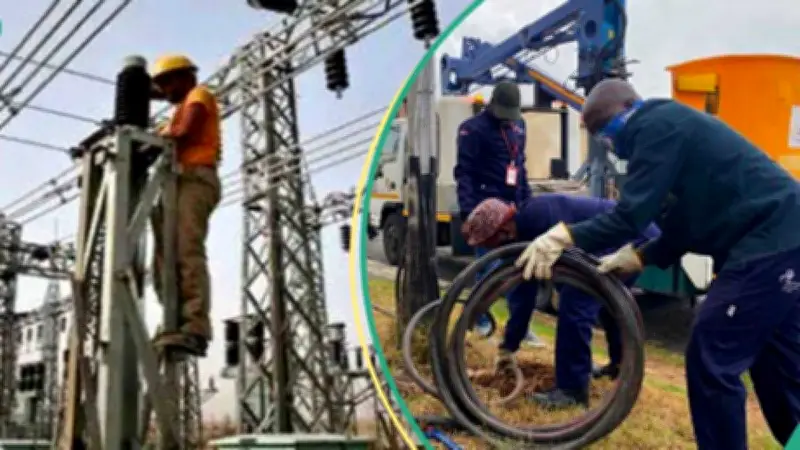
At least 20 electricity transmission towers were vandalised in Nigeria between January and August 2026, with four suspects arrested and one person killed, according to an analysis of reported incidents. The attacks are increasing pressure on the power sector, with the Nigerian Independent System Operator (NISO) estimating that transmission losses cost the electricity market about N8 billion monthly. The Transmission Company of Nigeria (TCN) says stronger security, community cooperation and tougher penalties are needed to protect critical power infrastructure and improve grid stability.
Vandalism Undermines Grid Stability
The destruction of transmission towers, conductors, insulators and other critical equipment is disrupting electricity supply, raising operational expenses, delaying infrastructure projects and weakening investments made by the Federal Government, development partners and Nigerians, according to TCN's Managing Director, Engr. Sule Abdulaziz.
Although the frequency of tower attacks has declined following increased engagement with communities along transmission routes, as well as stronger collaboration with vigilantes and security agencies, vandalism remains a major threat to the stability of the national grid.
N8 Billion Monthly Losses
The Nigerian Independent System Operator (NISO) has stated that the electricity market is losing about N8 billion monthly due to transmission losses, with infrastructure vandalism identified as a significant contributor. The continued destruction of transmission facilities is also placing additional financial pressure on TCN, which must redirect funds earmarked for grid expansion and other critical projects towards repairing damaged infrastructure.
Rather than using available resources to strengthen and expand the transmission network, TCN is forced to spend heavily restoring towers and other facilities that would otherwise remain operational.
TCN Calls for National Security Priority
Abdulaziz stressed that protecting the transmission network should be treated as a national security priority, requiring closer cooperation among security agencies, host communities, government institutions and other stakeholders. He also called for stronger legal and regulatory measures, including appropriate penalties for individuals involved in the destruction of critical national infrastructure.
Beyond vandalism, the TCN chief identified encroachment on transmission line Right-of-Way corridors as another serious challenge. He explained that such encroachments pose safety hazards, make routine maintenance more difficult, complicate emergency response and could limit the expansion of the transmission network in the future.




