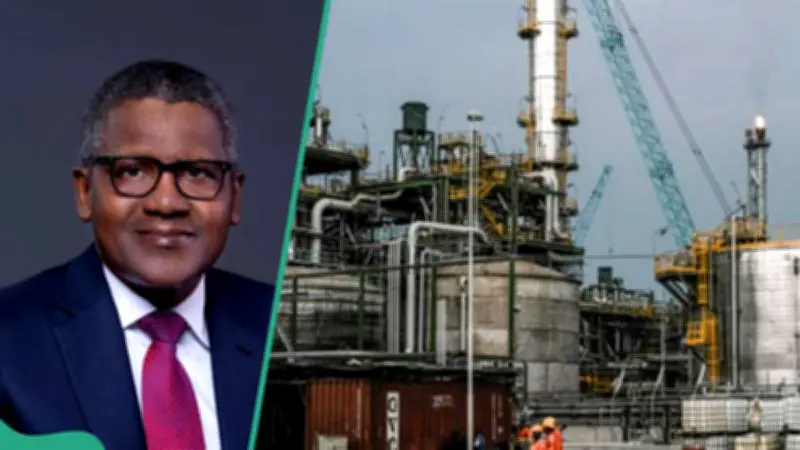
West African energy regulators are collaborating to establish a regional fuel pricing benchmark and trading hub, a move significantly influenced by Nigeria's 650,000-barrels-per-day Dangote Refinery. The initiative aims to shift the region from being a price-taker to a price-setter in global petroleum markets.
Driving Forces Behind the Regional Benchmark
Rabiu Umar, chief executive of Nigeria's Midstream and Downstream Petroleum Regulatory Authority (MDPRA), stated that the Dangote Refinery's commercial start-up in 2024 has already transformed how petroleum products move across West Africa. This shift has created a compelling case for the region to develop its own price discovery system, independent of foreign benchmarks.
Speaking at a regional refined fuel market conference, Umar emphasized that Africa can no longer afford to remain on the sidelines of global petroleum pricing. He argued, "Africa must progress from being principally a price-taker in global petroleum markets to becoming an increasingly credible centre of price discovery, trading, investment and value creation."
Collaboration with S&P Global and Persistent Challenges
Regulators across the region have taken concrete steps, including forging closer ties with S&P Global Commodity Insights, a key player in global commodity price reporting. Umar noted that alignment on fuel pricing and regulation has improved over the past year, but significant hurdles remain.
Poor infrastructure, weak logistics networks, and limited market transparency were identified as the primary obstacles to a fully functioning regional trading hub. To overcome these, sustained investment in pipelines, storage facilities, marine logistics, and digital trading systems is deemed essential. These investments are necessary to improve product movement and boost market liquidity.
Regulatory Fragmentation and Infrastructure Gaps
Beyond physical infrastructure, regulators highlighted differences in fuel standards, licensing frameworks, and trade rules across West African countries as a growing problem. The lack of harmonization raises the cost and complexity of cross-border energy trade, limiting the potential gains from the region's expanding refining capacity, according to a report by BusinessDay.
The Dangote Refinery, along with other refining projects under development, is expected to significantly increase the local supply of petroleum products. Regulators believe this growing supply base makes a regional benchmark market both possible and necessary.
Potential Impact and Related Concerns
If successfully established, the benchmark could provide West African buyers and sellers with a transparent local reference price for refined products. This would reduce the region's dependence on international pricing mechanisms that have historically left African markets with little influence over their own energy costs.
In a related development, Dangote Petroleum Refinery has raised concerns about crude oil prices from local producers exceeding international market rates. Devakumar Edwin, Group Vice President for Oil, Gas and Fertiliser at Dangote Industries Limited, warned that this threatens the financial logic of domestic refining and could eventually drive up pump prices for Nigerian consumers. This clarification came in response to data from the Nigerian Upstream Petroleum Regulatory Commission (NUPRC), which showed the refinery rejected 15.5 million barrels of crude offered by domestic producers in the second quarter of 2026.