High-End Real Estate Boom in Nigeria's Major Cities Fuels Investment Surge
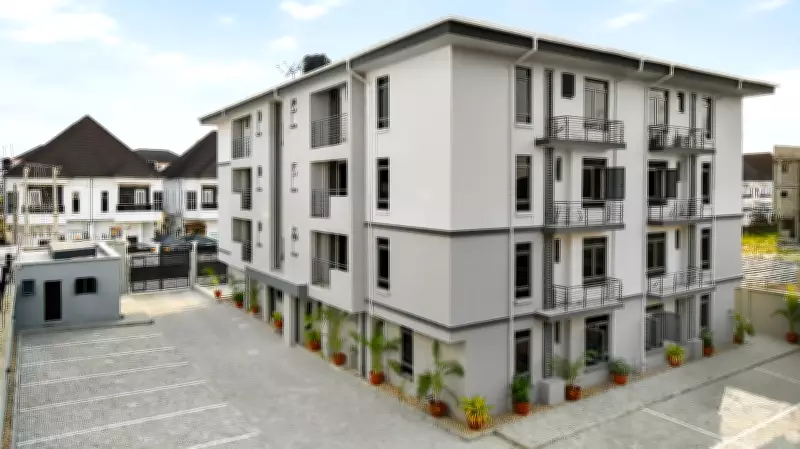
Nigeria's first-tier cities are witnessing a significant increase in the development of high-end properties, propelled by thriving economic hubs, strategic infrastructure investments, and a growing appetite among investors for luxury real estate. Cities such as Lagos, Abuja, and Port Harcourt, along with emerging satellite towns, are experiencing a construction boom characterized by rising rental prices, contemporary architectural designs, and waterfront developments that appeal to high-net-worth individuals and corporate clients.
Strategic Developer Approaches and Market Dynamics
Developers in the market are adopting increasingly strategic approaches to capture demand. Structured installment payment plans, outright property sales, and the creation of residential and mixed-use development zones are now common tactics to attract investors. High-net-worth individuals, both local and diaspora, remain crucial funding sources for high-end real estate projects, with developers often prioritizing private wealth investors over commercial financing to execute ventures efficiently.
Areas such as Ikoyi, Eko-Atlantic City, Oniru, Banana Island, Lekki, Victoria Island, Trans Amadi, Peter Odili Road, Rivtaf Golf Estate, and Lekki Garden Estate in Port Harcourt are at the forefront of luxury developments. In Abuja, neighborhoods like Jabi, Katampe, Asokoro, and Maitama continue to host premium homes, while satellite areas like Lugbe, Kubwa, Gwagwalada, and Kuje in Abuja, as well as Epe and Ibeju-Lekki in Lagos, are emerging as more affordable alternatives for mid-income property investors priced out of central districts.
Secondary cities such as Asaba in Delta State, Uyo, the capital of Akwa Ibom State, and selected urban areas in Oyo and Ogun states are also increasingly attracting investor attention, driven by lower land costs and emerging economic activities. High-end apartments and estates enjoy a stable degree of occupancy, often supported by corporate leasing arrangements. Developments typically feature high-rise towers, twin towers, penthouses, maisonettes, and duplexes, catering to clients who seek both status and long-term value.
Luxury Developments and Investment Trends
A recent report by Estate Intel, a leading real estate data firm, revealed that up to 753 apartments priced at $1 million or above are under construction in Lagos alone. Most of these units are concentrated in Old Ikoyi, Eko-Atlantic, Victoria Island, and Banana Island, with asking prices climbing as high as $6 million. New luxury and ultra-luxury mega-projects are being announced monthly, each with projected completion dates set for 2026 and 2027.
Investors are increasingly prioritizing reliability and quality over quantity. Key features driving demand include high-quality finishing, uninterrupted power supply, well-paved roads, central sewage systems, secure parking facilities, swimming pools, landscaped gardens, recreational spaces, and professional property management services. Developers, in turn, are focusing on design efficiency, architectural aesthetics, and sustainable practices rather than simply building at scale.
Diaspora remittances play a significant role in fueling this market. Last year, Nigeria received an estimated $23 billion in diaspora remittances, with roughly 30 percent of this inflow directed into real estate, especially luxury residential developments in Lagos and Abuja. Many developers strategically target diaspora Nigerians, offering pre-launch sales and investment opportunities before project completion.
The scarcity of land in urban centres is another driver of high-end development. Land prices for 1,000 square meters now range from N2.5 billion to N3.4 billion, while a two-bedroom unit can cost around N500 million, and a five-bedroom property can exceed N3.5 billion. These figures illustrate why mid- and low-income housing is increasingly concentrated in satellite towns or secondary cities.
Challenges and Government Intervention
However, developers face several structural challenges that can slow the pace of construction. Rising construction costs, foreign exchange volatility, supply chain delays, bureaucratic approval timelines, and high land costs create financial and logistical pressures. The Real Estate Developers Association of Nigeria recently flagged the rapid increase in cement prices, now ranging from N10,500 to N11,500 per 50kg bag, as a major obstacle to housing delivery and infrastructure development nationwide. These rising costs inevitably feed into higher rental prices and property sale values.
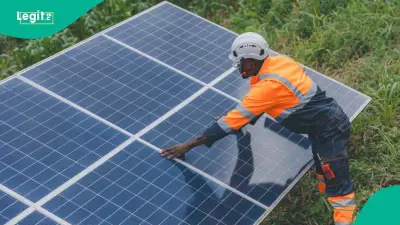
Industry experts highlight that the high-end property market thrives on innovation, sustainability, and lifestyle-oriented developments. Integration of automation, energy-efficient systems, and renewable energy adoption, such as solar panels, has become standard in many projects. Waterfront views, recreational facilities, and mixed-use developments offering live-work-play concepts attract both investors and affluent residents seeking a holistic lifestyle.
They emphasized that government intervention is key to bridging the affordability gap. Subsidised land, effective mortgage systems, and reduced construction material costs could enable developers to build for low- and middle-income earners while maintaining profitability in the high-end market. Past Chairman of the Nigerian Institution of Estate Surveyors and Valuers, Lagos branch, Dotun Bamigbola, explained that Nigeria delivers roughly 100,000 new homes yearly, compared to the estimated 700,000 units needed each year.
"This is not enough to meet demand. Developers naturally focus on areas where income potential is highest. A low-income earner cannot buy a bungalow priced at N30 to N35 million," he said. Bamigbola emphasized that high-income earners and businessmen often prefer luxury properties, as developers aim to recoup their investments quickly. "Developers are not in the business of social intervention; they operate in a capitalist environment. They go where profits are guaranteed," he noted.
Land costs further shape this reality as acquiring urban land at premium rates makes low-income housing financially unviable. Only government-led initiatives, such as the provision of free or subsidised land, can alter this dynamic. "You can't buy land at N500,000, N1 million, or even N2 million per square meter and build a bungalow for a low-income earner on it," he explained.
Chairman of REDAN, Lagos State Chapter, Dr Tony Kolawole, confirmed that high-end property development dominates urban centres due to the prohibitive cost of land. "Buying land at N35 to N45 million means that building a bungalow to sell for N20 million is unprofitable and developers have no choice but to focus on high-end projects," he said. Kolawole also emphasized the effect of construction material inflation on housing prices. "A 50kg bag of cement sold for N2,800 to N3,000 in 2020. Today, it's around N12,500. Houses that should go for N15 million in Ajah are now priced between N180 and N200 million. Government intervention, including subsidies for materials, is urgently needed," he added.
Prospects for Affordable Housing
The Chief Executive Officer, Noble Grounds Limited, Olajide Dosunmu, highlighted the growing inaccessibility of decent housing for average Nigerians. "Decent housing should provide basic infrastructure and a pleasant environment. It doesn't need to be luxury. But rising construction costs make it nearly impossible for middle- and low-income earners to access such homes," he said.
Dosunmu stressed that alternative construction methods, such as clay blocks, could reduce dependency on expensive materials like cement. "We are testing clay block construction to see if it can lower costs while maintaining quality. If successful, this could make homes more affordable," he noted. He also advocated for increased transparency in land acquisition, reduced costs for property titles, and easier access to land. "Owning a home is crucial for economic participation. With a valid title, homeowners can access bank loans and invest in businesses. Without it, people remain excluded from economic opportunities," Dosunmu explained.