Nigerians Speak Out as Landlords Block Solar Panel Installations on Rooftops
In a country grappling with persistent electricity shortages, a growing number of Nigerians are turning to solar power as a reliable alternative to the national grid. However, for some tenants, this solution has hit a major roadblock: landlords who refuse to allow solar panel installations on rooftops. Four individuals have recently come forward to share their frustrating experiences, shedding light on a conflict that underscores broader issues of housing rights and energy access.
The Struggle for Solar Access Amidst Power Outages
Due to the lack of stable electricity from the Power Holding Company of Nigeria (PHCN), many Nigerians have invested heavily in solar systems, hoping to generate constant power for their homes. While this move has proven successful for some, others face unexpected hurdles. Tenants report that landlords are increasingly rejecting requests to install solar panels on rooftops, forcing them to find makeshift alternatives that often compromise efficiency.
These cases highlight a growing tension between tenants seeking energy independence and property owners concerned about structural integrity or aesthetic changes. As one tenant lamented, "There's no light in Nigeria, and our customers need to survive." The situation has sparked discussions on social media, with affected individuals pleading for landlords to consider the dire electricity situation.
Case Studies: Tenants' Ordeals with Landlord Restrictions
1. Client's Landlord Refuses Rooftop Installation
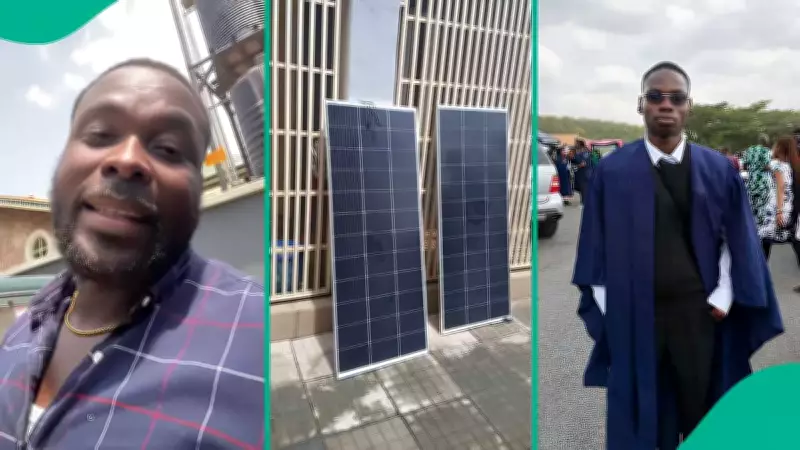
A solar installer, @michbamsolar, shared a video detailing how a client's landlord prohibited the installation of panels on the roof. The team was forced to use a limited space that could not accommodate all the planned panels. "This is the only option that we have, and the number of panels that we have is bigger than this space," the installer explained. The batteries and inverter had to be placed in the kitchen, further complicating the setup.
2. Student's Solar Dreams Dashed by House Manager
@DreyxStudios, a student who recently gained admission to a higher institution in Ibadan, invested approximately ₦450,000 in a solar system to power his PC and other essentials. However, during installation, the house manager intervened, stating that the landlord did not want panels on the roof. Despite pleas and explanations, the manager stood firm. The tenant had to install the panel behind a window, where it receives only about two hours of sunlight daily, drastically reducing its effectiveness. "The only thing that solar system could power was a DC bulb," he lamented.
3. Constructing a Wooden Car Park for Panels
In January 2026, @timtechlightup posted a TikTok video showing how he circumvented his landlord's ban by constructing a wooden car park-like structure in the compound to hold the solar panels. His caption read, "Landlord: Panel not allowed on the roof. We constructed a wooden car park for it." This creative solution allowed him to enjoy uninterrupted power, albeit with additional construction costs.
4. Building a Stand as an Alternative
On March 4, 2026, another video from @timtechlightup depicted the construction of a wooden stand for solar panels after the landlord forbade rooftop installation. In the clip, he explained, "As landlord no allow me put the panel for roof, we don dey construct this wooden stand." This makeshift arrangement highlights the lengths tenants are willing to go to secure reliable electricity.
Broader Implications and Calls for Change
These stories reflect a larger issue in Nigeria's housing and energy sectors. Tenants, already burdened by high costs of solar systems, face additional expenses and inefficiencies due to landlord restrictions. The situation calls for dialogue between tenants, landlords, and policymakers to develop guidelines that balance property rights with the urgent need for alternative energy solutions.
As more Nigerians embrace solar power, it is crucial to address these barriers to ensure widespread access to clean, reliable electricity. The experiences of these four individuals serve as a poignant reminder of the challenges that persist in the quest for energy security in Nigeria.