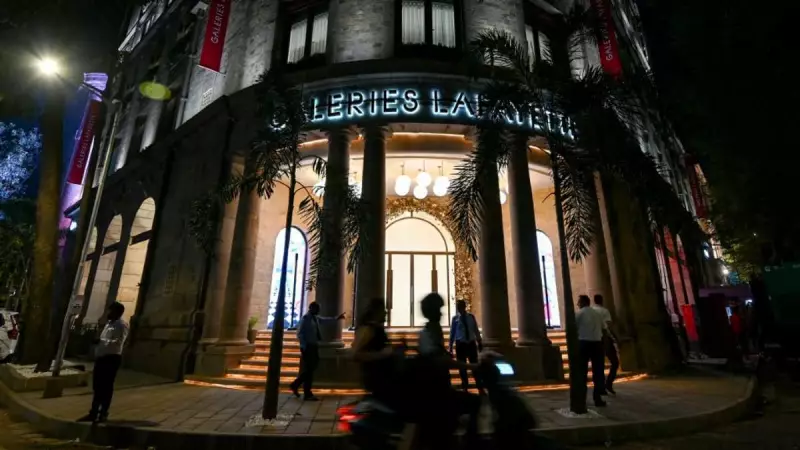
Global luxury retailers are making ambitious moves into India's vast consumer market, with French department store Galeries Lafayette becoming the latest major player to establish a foothold in the country. The iconic retailer opened its first Indian location in Mumbai on Sunday, marking a significant milestone in the luxury sector's long-standing interest in the South Asian nation.
India's Luxury Market Potential and Challenges
India presents what luxury experts describe as both a promising and complicated market for international brands. With a population of 1.4 billion people and an economy generating tens of thousands of new millionaire households annually, the country offers substantial growth potential. The Indian luxury market is currently valued at $11 billion in 2024 and is projected to triple to $35 billion by 2030, according to Estelle David, South Asia Director at Business France.
Benedicte Epinay, Comite Colbert CEO and luxury expert, noted that India ticks all the boxes for luxury houses looking at new countries, considering both the number of wealthy individuals and the rising middle class. However, she emphasized that the reality of operating in India remains complex for foreign luxury brands.
Significant Barriers to Market Entry
International luxury brands face multiple obstacles in India, including high customs duties, bureaucratic challenges, and infrastructure limitations. These barriers have kept the market relatively small compared to other major economies. According to industry analysis, most luxury brands maintain only one to three stores in India, compared with 100 to 400 locations in China.
The high import duties create a particular challenge, often prompting affluent Indian consumers to take $350 round trips to Dubai where they can purchase French luxury handbags for up to 40% less than domestic prices. Vishal Mathur, a 46-year-old Mumbai entrepreneur, expressed the sentiment of many local luxury shoppers: "One is willing to pay for craftsmanship, for style, for the brand. But to say you should pay extra just to buy in India? No way."
Local Partnerships and Cultural Adaptation
Galeries Lafayette's entry strategy includes a crucial local partnership with the fashion arm of the Aditya Birla Group, one of India's major conglomerates. This approach reflects the growing recognition that success in India requires understanding local preferences and consumption habits.
The new Mumbai store spans 8,400 square metres across five floors and features approximately 250 luxury and designer brands, nearly all of which are foreign. Despite this international focus, industry professionals acknowledge the strength of India's domestic luxury market and rich clothing traditions.
Sonal Ahuja, a 39-year-old Mumbai resident, highlighted the challenge foreign brands face in competing with local designers for significant occasions like weddings: "If you want to buy something to wear to a wedding, you will buy from Indian fashion designers Sabyasachi or Tarun Tahiliani. Why would you want to buy something foreign that is trying to be Indian?"
Future Prospects and Strategic Shifts
Potential relief may come from ongoing trade negotiations, as India and the European Union have committed to finalizing a free-trade agreement by the end of the year. Epinay described such an agreement as potentially bringing "fresh air to the market" for luxury retailers.
Meanwhile, established luxury houses including Louboutin, Dior, Chanel and Bulgari are already adapting their strategies by collaborating with local designers, Bollywood stars, and influencers to appeal to Indian consumers. As Estelle David emphasized, "You have to adapt to the culture, to tastes and consumption habits" to succeed in India's complex luxury landscape.
While Western fashion remains in the minority in Indian megacities like New Delhi, Mumbai, and Bengaluru, the continued growth of the luxury market suggests that international brands willing to navigate the challenges and adapt to local preferences may find significant opportunities in the years ahead.