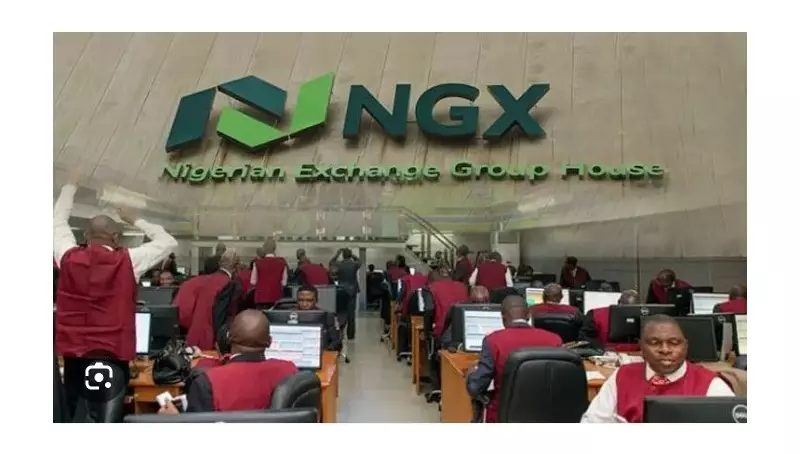
Nigeria's stock market is poised for unprecedented growth that could transform the nation's economic landscape, according to leading financial expert Bismarck Rewane.
Projected Market Expansion
The Managing Director of Financial Derivatives Company has revealed startling projections for the Nigerian Exchange during his presentation at the 2025 Parthian Economic Discourse in Lagos. Market capitalisation could skyrocket by 190% from its current N91 trillion to N262 trillion next year, marking one of the most ambitious forecasts in recent market history.
Rewane's analysis suggests this explosive growth is just the beginning of a multi-year expansion phase. He projects the market could reach N393 trillion in 2027 and potentially hit N590 trillion by 2028. This remarkable growth trajectory is expected to be fueled by several key factors that have been long anticipated by market watchers.
Drivers of Market Transformation
The financial expert identified three primary catalysts for this projected boom. Long-awaited big-ticket listings, improved corporate earnings, and higher market efficiency are expected to combine to create the perfect conditions for market expansion.
Rewane specifically highlighted the potential impact of new market entrants, including the massive Dangote Refinery valued at approximately $32 billion and the potential listing of NNPC Limited. These landmark listings could fundamentally reshape the market's structure and significance within the national economy.
"The stock market is becoming a bigger source of national savings and corporate financing," Rewane emphasized. "These listings will alter the structure of the market and significantly influence growth."
Conditions for Success and Economic Realities
However, the renowned economist cautioned that achieving this projected expansion is contingent on several critical factors. Macroeconomic stability, moderating inflation, and an interest-rate environment that supports investment must align to realize these ambitious projections.
Rewane also addressed Nigeria's broader economic challenges, stressing that external reserves must be evaluated against rising debt obligations. He noted that recent improvements in reserves were largely attributable to Eurobond inflows rather than fundamental economic strengthening.
Beyond market metrics, Rewane emphasized the urgent need to "build an economy that works for Nigerians." He highlighted that diaspora remittances continue to serve as a stabilizing force but warned this could weaken as global labor markets adjust to AI disruptions.
The financial expert delivered a sobering assessment of Nigeria's economic ambitions, noting that the revised GDP of $250 billion makes the government's target of reaching a $1 trillion economy by 2030 unrealistic without substantial improvements in productivity, investment, and security.
Regional Competition Concerns
The event also featured warnings from Oluseye Olusoga, Group Managing Director of Parthian Pension, about Nigeria's competitive position within the African Continental Free Trade Area (AfCFTA). He cautioned that Nigeria risks losing its competitive edge if the private sector continues to struggle.
"If we don't fill the regional vacuum, others will," Olusoga stated. He revealed that countries like Togo and Benin are already leveraging AfCFTA for industrial expansion and positioning themselves to capture value from Nigeria's substantial consumer base.
The pension expert delivered a crucial message to policymakers and business leaders: "Investment follows security and security is now our biggest economic variable." This statement underscores the interconnected nature of economic growth and national security in attracting both domestic and foreign investment.