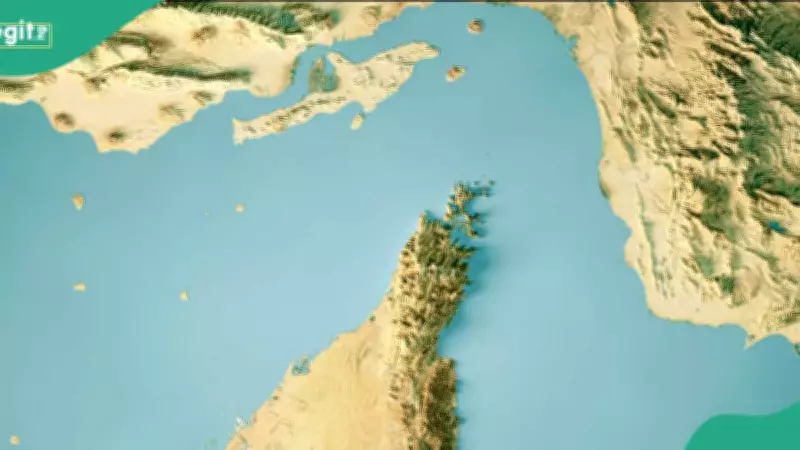
The Strategic Importance of the Strait of Hormuz for Global Energy
The Strait of Hormuz has been firmly established as one of the world's most critical maritime corridors for oil transportation, with approximately one-fifth of global oil supply passing through this narrow waterway every single day. This represents a staggering volume of crude that fuels economies worldwide, making the strait an indispensable artery in the international energy network.
Geographic and Geopolitical Significance
Located between Iran and Oman, the Strait of Hormuz connects the Persian Gulf to the Gulf of Oman and ultimately the Arabian Sea. At its narrowest point, this Iranian-controlled waterway spans just 33 kilometers, with shipping lanes in each direction measuring only a few kilometers wide. This geographic constriction creates a natural chokepoint that gives Iran substantial strategic leverage over maritime traffic.
Recent military actions involving the United States, Israel, and Iran have heightened concerns about potential disruptions to shipping through this sensitive passage. The renewed tensions have focused global attention on the waterway's vulnerability during periods of geopolitical conflict.
Global Oil Dependence on the Strait
The world's reliance on the Strait of Hormuz for energy transportation cannot be overstated. Major petroleum producers within the Organization of the Petroleum Exporting Countries (OPEC) depend heavily on this route to transport their crude to international markets, particularly in Asia where energy demand continues to grow.
Key nations utilizing the strait include:
- Saudi Arabia
- Iraq
- Kuwait
- United Arab Emirates
These countries ship the majority of their oil exports through this passage. Additionally, Qatar depends on the Strait of Hormuz for its liquefied natural gas shipments, adding another dimension to the waterway's energy significance.
Limited Alternative Routes
Despite efforts by Gulf nations to develop alternative export pathways, available capacity remains severely limited compared to the volume transported through the Strait of Hormuz. Saudi Arabia and the United Arab Emirates have invested in pipeline infrastructure that bypasses the strait, but these alternatives cannot handle the massive quantities of oil that flow through the waterway daily.
This limitation means that any disruption to traffic through the strait would almost certainly trigger immediate supply shortages and price spikes in global energy markets, with potentially severe economic consequences worldwide.
Historical Context and Security Concerns
The Strait of Hormuz has long been a flashpoint during periods of geopolitical tension. During the Iran-Iraq War in the 1980s, both sides targeted oil tankers in what became known as the Tanker War, demonstrating the waterway's vulnerability to conflict.
Similar threats have resurfaced in recent years, with multiple incidents involving attacks on commercial vessels and seizures of ships linked to ongoing regional disputes. Iran has previously warned it could block the strait in response to international sanctions, a move that would have far-reaching implications for global trade and energy security.
Former Russian president Dmitry Medvedev notably described the Strait of Hormuz as Iran's "nuclear weapon," emphasizing its strategic value as a geopolitical tool. He stated: "It's not clear how the truce between Washington and Tehran will play out. But one thing is certain - Iran has tested its nuclear weapons. It is called the Strait of Hormuz. Its potential is inexhaustible."
International Security Measures
The United States maintains a significant naval presence in the region through its Fifth Fleet, which is tasked with safeguarding commercial shipping through the strategic waterway. This military presence underscores the international recognition of the strait's importance to global energy markets.
Analysts warn that any closure of the Strait of Hormuz, even for a short period, could disrupt energy markets and heighten economic uncertainty worldwide. The concentration of so much global oil supply through such a narrow, politically sensitive passage creates inherent vulnerabilities in the international energy system.
As tensions continue to simmer in the Middle East, the Strait of Hormuz remains a critical focus for energy security planners, shipping companies, and governments worldwide who recognize that this narrow waterway between Iran and Oman holds disproportionate power over global oil markets and economic stability.