Nigeria's health sector is witnessing a significant push for policy reform as Health Minister Professor Ali Pate collaborates with civil society organizations to advocate for a stronger sugar-sweetened beverage tax. This move aims to address the growing burden of noncommunicable diseases across the nation.
Senate Hearing on SSB Tax Amendment
On Thursday, November 28, 2025, a crucial public hearing convened by the Senate Joint Committee on Finance, Customs and Excise became the platform for stakeholders to demand substantial changes to the current Sugar-Sweetened Beverage tax structure. The session focused on a bill sponsored by Senator Ipalibo Harry Banigo seeking to amend Section 21(3) of the Customs and Excise Tariff Act.
Representing Senate President Godswill Akpabio, Senator Adeniyi Adegbonmire (SAN) described the proposed amendment as a timely intervention aligned with global best practices. He emphasized that the current fixed ₦10 per litre excise duty, introduced in 2021 when the average drink cost ₦150, has been severely weakened by inflation and no longer serves as an effective deterrent against consumption.
Health Minister's Urgent Warning
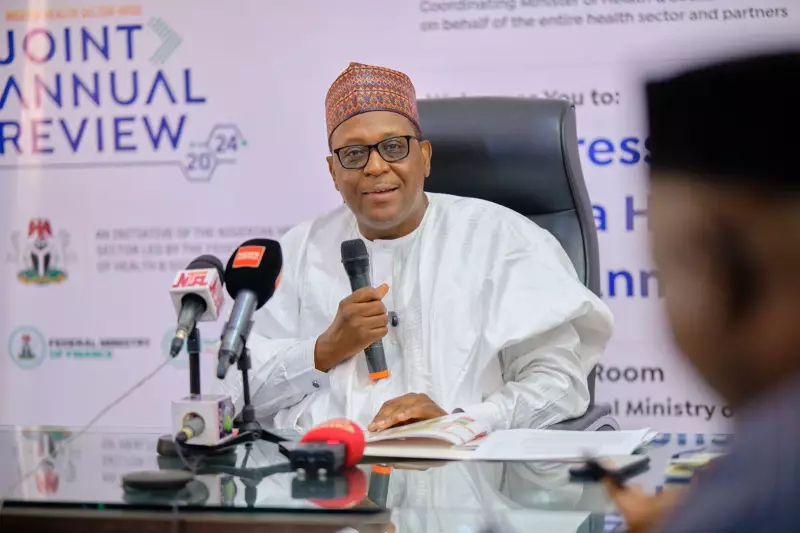
Health Minister Prof. Ali Pate delivered a stark warning, stating that Nigeria is confronting a public health crisis with diseases once considered rare now ranking among leading causes of death. He specifically mentioned diabetes, stroke, obesity, and heart disease as conditions escalating at alarming rates.
The minister proposed concrete measures, urging the Senate to raise the levy to at least 20% of retail price and legally earmark no less than 40% of generated revenue for public health interventions. He argued this reform would benefit all 230 million Nigerians by creating sustainable health financing and accelerating progress toward universal health coverage, citing successful implementations in countries like the Philippines.
Civil Society Organizations Demand Stronger Action
Civil society groups presented even more ambitious proposals at the hearing. Corporate Accountability and Public Participation Africa (CAPPA) pushed for a 50% tax based on retail price, with a minimum floor of 20%. CAPPA Executive Director Akinbode Oluwafemi stressed the need for a robust retail-price-based excise to drive meaningful reduction in consumption.
Supporting organizations included:
- CISLAC
- Nigerian Cancer Society
- Diabetes Society of Nigeria
- National SSB Tax Coalition
- Healthy Food Policy Vanguard
- Nigerian Tobacco Control Alliance
- Academics from Redeemer's University
Dr. Mansur Ramalan, Vice President of the Diabetes Society of Nigeria, revealed that diabetes prevalence has risen to approximately seven percent and warned that government inaction would worsen this burden. He confidently predicted that government earnings would increase by 200% with the proposed tax reforms.
Counterarguments and Committee Response
The Ministry of Finance expressed caution, represented by Director of Technical Services Bashir Abdulkadir. The ministry argued that under Section 13 of the Act, only the president has authority to vary excise rates and emphasized the need for fiscal policy flexibility, noting that a broader review covering SSBs and alcoholic beverages is already underway.
Manufacturers Association of Nigeria (MAN) representative Adeyemi Folorunsho warned that higher taxes could trigger job losses and questioned whether current data definitively proves sugary drinks are driving diabetes or obesity levels in Nigeria.
In response, the Joint Committee maintained that the National Assembly has constitutional powers to amend laws and conduct public hearings. Committee Chair Sani Musa pledged that the final draft would reflect fairness, transparency, and public interest, with all submissions being critically evaluated before presenting recommendations to the Senate.