Nigerians Decry Multiple Road Taxes Despite Federal Government's Ban
Nigerians are expressing deep frustration over the enforcement of numerous road taxes, a situation that starkly contradicts the Federal Government's declared ban on such levies. This issue is particularly acute for tricycle operators, commonly known as keke riders, who face a barrage of fees that severely impact their livelihoods.
Keke Rider's Firsthand Account Exposes Harsh Realities
A tricycle rider operating between Lagos and Ogun States, who goes by the handle @Onihax on social media platform X, recently shared a detailed post highlighting the financial burdens he endures. His experience directly challenges viral online advice suggesting that purchasing a tricycle for five million naira can yield substantial daily profits.
He revealed that the reality involves constant expenses, including daily tickets ranging from 1,300 to 1,700 naira, additional fees for markers, chairmen, and security amounting to over 1,000 naira, and obligatory bribes to police and agencies like LASTMA and LNSC. These costs must be paid upfront, often before any earnings are made.
Fuel expenses alone consume at least 12,000 naira daily, while passengers continue to negotiate fares as if fuel prices were significantly lower. The rider also pointed out frequent and costly repairs, weekly hire-purchase payments of 60,000 to 70,000 naira, and the mental stress associated with the job.
He emphasized: "This job is not 'wake up and print money.' It's survival, patience, and constant expenses. So know that if someone is still broke, it is not always laziness or chasing job titles. Sometimes, it is because the system itself is designed to drain you before you even grow."Systemic Issues and Union Sticker Extortion
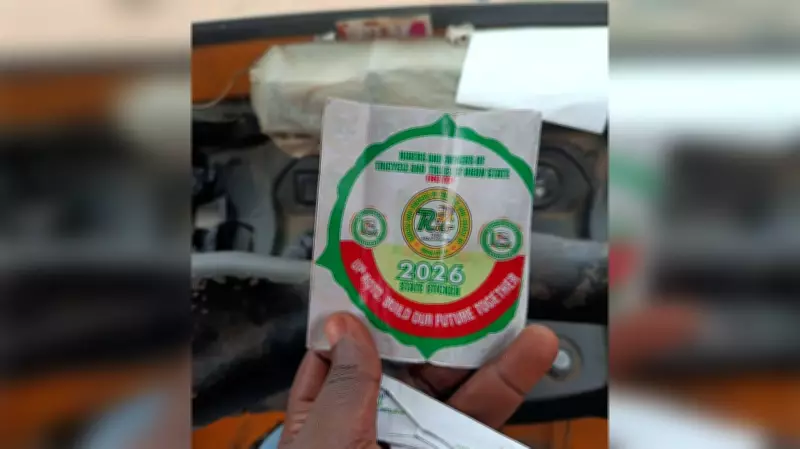
The problem extends beyond daily fees to include compulsory union stickers, which operators must purchase annually. In Lagos State, riders are required to buy multiple stickers from local governments, state authorities, and specific zones, each costing thousands of naira. Failure to display these stickers can result in fines of up to 10,000 naira when stopped by officials.
In Ogun State, the situation is described as even worse, with three different unions demanding separate stickers and a Hackney permit. Missing payment deadlines leads to doubled prices, creating a relentless financial pressure on operators.
@Onihax lamented: "Same road. Same keke. Different payments… every angle. This is not regulation. This is survival under pressure."
Widespread Complaints Across Nigeria
Other keke riders from different regions have echoed similar grievances. Victor Chimela, operating in Calabar, Cross River State, noted that despite gubernatorial intervention, task forces continue to enforce illegal levies. He mentioned that moving between Municipal and Calabar South requires purchasing tickets, highlighting the pervasive nature of this issue.
Ugochukwu Nwoke added a strong critique, calling road agberos—informal tax collectors—a plague that needs to be purged for the country to reset and progress.
These accounts collectively underscore a systemic failure in Nigeria's informal transport sector, where operators are squeezed by multiple taxes and extortion, undermining the Federal Government's stance and leaving many in a cycle of survival rather than prosperity.