Senator Oshiomhole Endorses Tinubu's Progressive Tax Reforms as Fair Shift in Burden
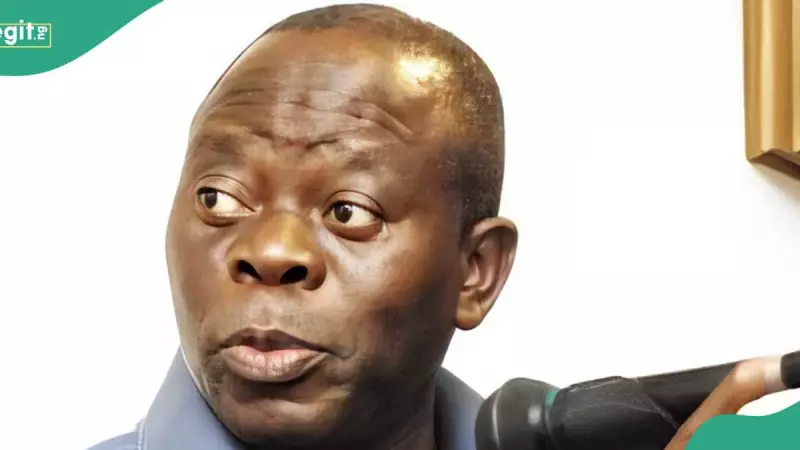
Senator Adams Oshiomhole has publicly praised President Bola Tinubu's newly implemented tax policy, describing it as a progressive and equitable reform that fundamentally shifts the taxation burden from ordinary Nigerian workers to wealthier citizens. The Edo North lawmaker emphasized that this approach aligns perfectly with the principles of a progressive government that prioritizes economic justice.
Progressive Taxation Principles in Action
During an appearance on Channels Television's Politics Today program, Oshiomhole explained that he was among the legislators who actively supported the tax bill that has now become law. The senator articulated that the policy's progressive nature stems from its design to place higher tax obligations on those with greater earnings while providing exemptions for lower-income citizens. He stated clearly that this represents a significant departure from previous taxation approaches that disproportionately affected working-class Nigerians.
"The facts on the ground demonstrate conclusively that President Tinubu's tax policy reflects the core values of a progressive government," Oshiomhole declared. He elaborated further, noting that "this progressive tax policy intentionally places increased burden on higher earners while offering meaningful tax relief to those with more modest incomes."
Benefits for Working Families and Salary Earners
The former Edo State governor stressed his complete support for the new taxation framework, reminding viewers that no government can function effectively without a sustainable tax system. He clarified a common misconception about government revenue generation, explaining that governments do not independently generate wealth but rather collect taxes from citizens' individual and corporate earnings to fund public services and infrastructure.
"Only in Nigeria do we encounter this peculiar notion that government somehow creates money independently," Oshiomhole observed. "The reality is that governments do not earn money; citizens earn income through various means, and the government taxes those earnings—whether individual salaries or corporate profits. The aggregate of these taxes determines the annual revenue available to the state for development purposes."
Oshiomhole specifically highlighted how working families would benefit substantially under the new tax regime. He pointed out that no Nigeria Labour Congress member earns one million naira monthly, which translates to twelve million naira annually, making the policy particularly favorable to salaried workers across various sectors.
VAT Focus on Luxury Purchases
Regarding Value Added Tax (VAT) provisions within the new policy, the senator reassured average Nigerian workers that they need not worry excessively, as VAT primarily affects luxury purchases rather than essential goods. He expressed frustration with Nigerians who willingly pay VAT during international shopping trips but resist similar taxation within their own country.
"Throughout the world, when you purchase non-essential items, you pay VAT," Oshiomhole noted. "Nigerians consistently pay VAT when shopping in America, London, Dubai, and other international destinations, yet they demonstrate resistance to paying comparable VAT here in Nigeria. This inconsistency deserves examination."
Presidential Reaffirmation and Implementation Timeline
Despite various criticisms from different quarters, President Bola Tinubu reaffirmed in December 2025 that the new tax laws would officially take effect beginning January 1, 2026. The president explained that these reforms were not designed to arbitrarily increase taxes but rather to support a structural economic reset, promote fiscal harmonization, protect citizens' dignity, and strengthen the social contract between government and populace.
Tinubu additionally urged all Nigerians to support the implementation of the new policy, emphasizing its critical importance for sustainable national development and improved public service delivery. The comprehensive tax legislation reshapes how both individuals and businesses register, file, and fulfill their tax obligations, representing one of the most significant fiscal reforms in recent years.