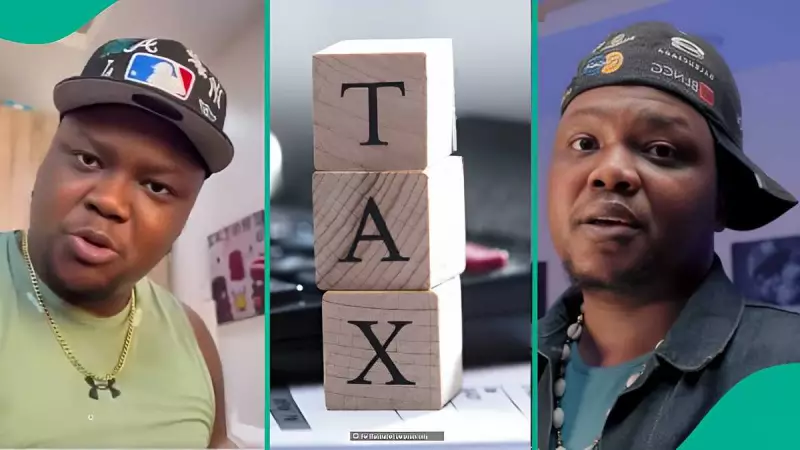
Nigerian Content Creator's Tax Confusion Goes Viral
A Nigerian YouTube content creator has generated significant online discussion after publicly sharing his confusion regarding tax deductions from his platform earnings. The individual posted a screenshot showing his YouTube payment details, which revealed a substantial tax deduction that he initially attributed to the Nigerian government's new tax policies.
The Initial Misunderstanding and Social Media Reaction
The creator, who goes by the handle @Daygenius, shared his payment statement showing he earned $106 from YouTube with $25 deducted as tax. In his initial emotional post, he wrote: "I made $106 from YouTube… Tinubu comot $25… on a norms na $4 dem dey comot ooh." He further suggested that content creators across Nigeria would join movements to change the government due to what he perceived as excessive taxation.
His post quickly gained traction on social media platforms, with many users engaging with the content and sharing their perspectives on taxation policies affecting digital creators. The timing was particularly sensitive given ongoing national conversations about Nigeria's new tax law implementation.
The Clarification and Correction
After receiving feedback from the online community, the content creator realized his error and issued a correction. He clarified that the tax deduction was actually for United States tax obligations, not Nigerian government taxation as he had initially assumed. In his follow-up statement, he humorously noted: "Make Una no vex… @grok say na Trump tax me not Tinubu. Okay agbado people, e don do. I don fold ehn. I’m DayGenius not TaxGenius."
This clarification came after several knowledgeable social media users pointed out that Nigeria does not have a tax treaty with the United States, and that such deductions represent standard US tax withholding procedures for international content creators earning through American platforms.
Online Community Response and Tax Education
The incident sparked valuable discussions about international taxation for digital creators. User @lexyy4real explained: "You’re very wrong..The $25 that was deducted belongs to the US..what Nigeria will tax is what is left but you’re not qualified to pay tax on that amount because it is below the threshold."
Other users shared similar insights, with @Obalurge noting: "Nigeria does not have tax treaty with the US, the tax here isn't paid to the Nigerian government and it's quite normal." The conversation highlighted the need for better financial literacy among digital content creators regarding international earning platforms and their corresponding tax obligations.
Broader Context of Nigeria's Tax Reform
This incident occurred against the backdrop of Nigeria's ongoing tax reform implementation, which has generated mixed reactions across the country. While this particular case involved international tax obligations rather than domestic policies, it tapped into broader public sentiment about taxation.
Interestingly, the confusion emerged at a time when many Nigerians have reported salary increases due to the new tax law adjustments. The contrast between positive domestic tax outcomes and misunderstandings about international tax obligations created a unique educational moment for digital creators and the general public alike.
The episode serves as a reminder for content creators to understand the financial implications of their online earnings, particularly when working with international platforms that have different tax withholding requirements based on country-specific regulations and agreements.