Nigeria SIM Recycling: Hidden Dangers and Legal Risks for Phone Users
Growing complaints across Nigeria have highlighted significant risks associated with recycled SIM cards, a widespread practice that has left numerous new phone users facing financial confusion, police scrutiny, and prolonged legal battles. This issue has become increasingly urgent as more Nigerians unknowingly purchase previously used phone numbers that carry unresolved connections to past activities.
The Case of Titilayo Ibrahim: A Business Owner's Ordeal
One of the most striking cases involves Titilayo Ibrahim, a small-scale business owner whose life was upended after purchasing and registering what she believed was a new SIM card in April 2025. The line, registered on the Airtel network and used in a MiFi device, later became the basis for her arrest over a crime she had no connection to whatsoever.
Authorities traced the number to a kidnapping operation carried out months earlier, leading to her detention. According to her account to BBC News Yoruba, undercover officers posed as customers, arrested her, and accused her of kidnapping and murder. She spent an extended period in detention before her lawyer successfully proved she acquired the line long after the crime occurred, ultimately regaining her freedom after Airtel records confirmed her purchase timeline.
How Recycled SIM Cards Resurface in the Market
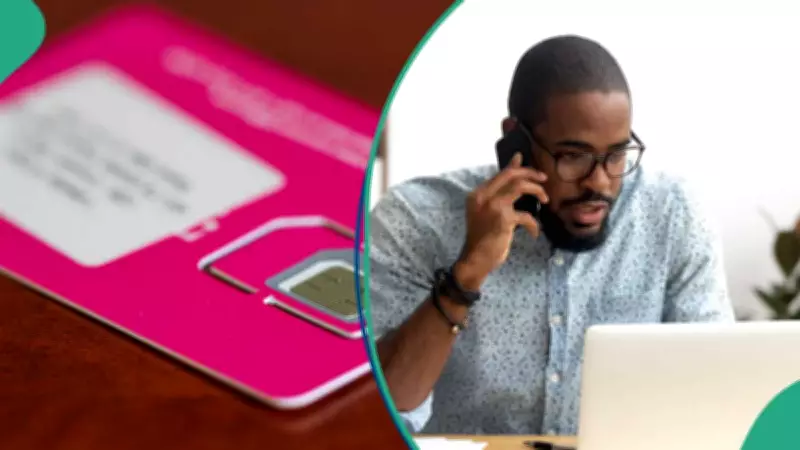
Recycled SIM cards are previously used phone numbers that telecom operators reassign after long periods of inactivity. Legal practitioner Abimbola Orogade, based in Ibadan, explained that this practice is lawful and regulated by the Nigerian Communications Commission. An MTN spokesperson clarified that mobile numbers are not permanent assets, with operators allowed to recycle lines inactive for 360 days.
Inactivity includes no calls, texts, data usage, or other revenue activity, though calls made through WiFi-based applications are excluded. Once recycled, a line can be reassigned to a new user, creating problems when the former owner fails to unlink the number from banks, official records, or digital platforms. New users may then receive sensitive messages meant for someone else, exposing them to unexpected complications.
Real-World Consequences for Unsuspecting Users
Another Nigerian woman shared on social media platform X that she began receiving bank alerts for large transactions shortly after activating a new MTN line. Her complaints to banks did not immediately resolve the issue, highlighting how such situations expose innocent users to financial and legal risks. Orogade strongly advised Nigerians to formally remove unused numbers from all services before abandoning them to prevent these scenarios.
Experts emphasize that these cases demonstrate serious vulnerabilities in the current system, where many Nigerians buy new SIMs without knowing their history, potentially inheriting problems from previous owners.
Protective Measures and Legal Recourse
New SIM buyers are advised to take several precautionary steps to protect themselves from recycled SIM risks:
- Register lines personally and confirm no third-party data is attached
- Dial *996# to check which numbers are linked to their National Identity Number
- Visit telecom offices for assistance with verification
- Formally unlink unused numbers from all banking and digital services
Regarding legal recourse, Orogade noted that victims like Titilayo Ibrahim could potentially sue the Nigeria Police for unlawful detention, though such cases often take years to resolve. The rising number of incidents has renewed calls for stronger safeguards around SIM recycling practices and increased public awareness of the hidden dangers associated with previously used phone numbers.
Broader Implications and Industry Response
The SIM recycling issue intersects with broader concerns about digital identity and security in Nigeria's rapidly evolving telecommunications landscape. As more services become linked to phone numbers for verification and authentication, the risks associated with recycled SIMs multiply exponentially.
Telecom operators maintain that recycling is necessary due to number scarcity and regulatory requirements, but consumer advocates argue for more robust verification processes and clearer communication about number histories. The Nigerian Communications Commission faces increasing pressure to implement stronger regulations that balance operational needs with consumer protection.
The growing awareness of SIM recycling dangers represents a critical moment for Nigeria's telecommunications sector, highlighting the need for improved safeguards, better consumer education, and more responsive regulatory frameworks to protect innocent users from inheriting problems through no fault of their own.