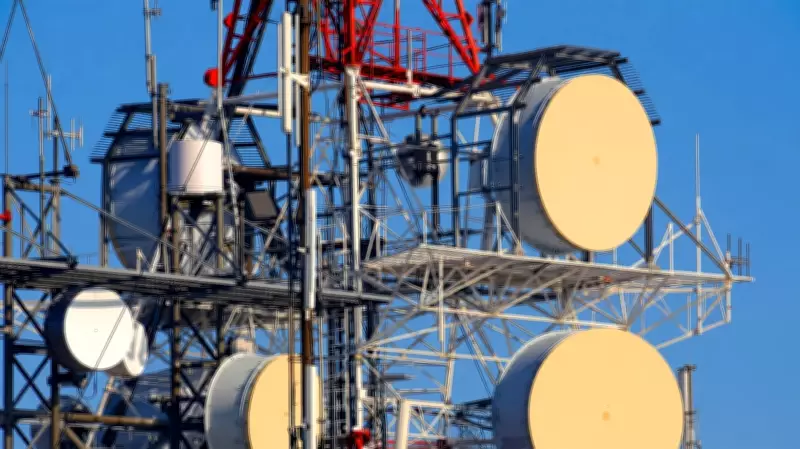
Telecom Subscribers Demand Action as Vandalism Cripples Nigeria's $76 Billion Sector
Subscribers to telephone services across Nigeria have issued a pressing appeal to security agencies, urging them to intensify surveillance and put an end to the rampant vandalism of telecom infrastructure. This call to action was made by the National Association of Telecom Subscribers of Nigeria (NATCOMs) in response to a significant surge in attacks on critical telecom assets throughout 2025 and into the first quarter of 2026.
Alarming Theft Statistics Revealed by NCC
Data released by the Nigerian Communications Commission (NCC) paints a grim picture of the situation. In 2025 alone, sophisticated criminal networks successfully looted 656 essential power assets from telecom sites. This included the theft of 152 generators and 504 batteries, incidents that have sparked renewed concerns over network reliability and overall service quality for millions of users.
The year also witnessed numerous cases of cable and diesel thefts, with fibre cuts reaching unprecedented levels. Specifically, there were 1,344 reported instances of diesel theft and 49 cases of vandalism and sabotage, further exacerbating the sector's challenges.
Vandalism Persists Despite Government Protections
Despite the Federal Government's declaration of telecom infrastructure as critical national infrastructure, aimed at ensuring its adequate protection, NCC data indicates that theft and vandalism have not only continued but escalated into 2026. In an interview with The Guardian, Deolu Ogunbanjo, President of NATCOMs, expressed deep concern over this crisis, noting that it persists even with the Critical National Infrastructure Initiative (CNII) Act in effect.
Ogunbanjo drew a comparison to the oil and gas sector, which has benefited from enhanced security measures provided by Tantita Security Services Nigeria Limited (TSSNL). He warned that without similar robust protections, constant vandalism of telecom infrastructure will inevitably lead to deteriorating telephony services, impacting both individual subscribers and the broader economy.
Continued Trend into 2026 and Industry Response
Further analysis of NCC data reveals that the vandalism trend has carried over into the new year. During January and February 2026, an additional 64 batteries and 17 generators were stolen, highlighting the ongoing nature of the threat. Gbenga Adebayo, Chairman of the Association of Licensed Telecommunications Operators of Nigeria (ALTON), described this situation as a major setback for the sector.
Adebayo emphasized that telecom operators have been diligently investing in network optimisation and capacity upgrades, efforts supported by Federal Government policy interventions introduced early last year to bolster the industry's sustainability. However, he stressed that these investments are being undermined by persistent infrastructure attacks.
Financial and Operational Impacts
Telecom expert Kehinde Aluko commented on the broader implications, noting that through theft, vandalism, and related activities, operators are incurring massive financial losses. These losses stem not only from the direct replacement of stolen hardware but also from operational disruptions and increased maintenance costs, which ultimately affect service delivery and consumer trust.
The collective call from subscribers, industry leaders, and experts underscores the urgent need for coordinated action to safeguard Nigeria's vital telecom infrastructure, ensuring reliable communication services for all.