10 Forbidden Places on Earth: Why Humans Are Banned from Entering
Human curiosity often drives us toward the unknown, but some places on our planet remain strictly off-limits for compelling reasons. From protecting fragile ecosystems to preserving national security, these locations enforce bans that can result in arrest or even death for trespassers. Here are ten of the most fascinating places where human entry is forbidden.
1. North Sentinel Island – Protecting an Isolated Tribe
The Indian government prohibits anyone from approaching within five nautical miles of North Sentinel Island. The Sentinelese tribe, which has lived in isolation for millennia, aggressively rejects outside contact. More critically, exposure to common diseases could devastate their population due to lack of immunity.
2. Area 51 – America's Secret Military Base
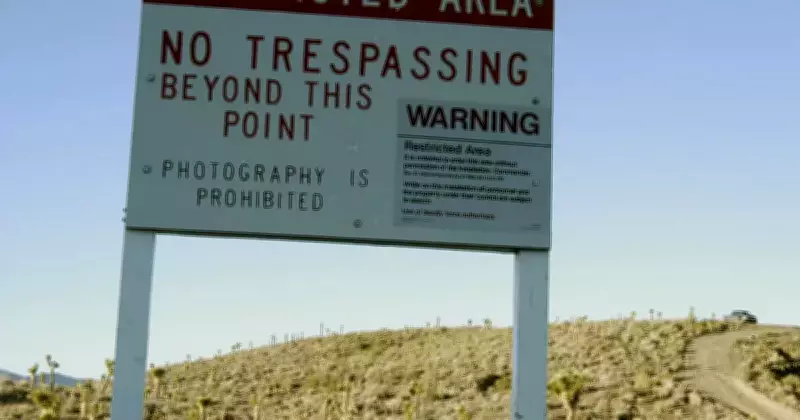
Nestled in the Nevada desert, Area 51 is shrouded in secrecy and conspiracy theories about alien technology and advanced weapons testing. Armed guards, surveillance systems, and clear warning signs make unauthorized entry both illegal and extremely dangerous.
3. Surtsey Island – A Pristine Natural Laboratory
Formed by a volcanic eruption in 1963, Surtsey Island off Iceland's coast serves as a unique natural laboratory. Only a handful of scientists are permitted to visit under strict protocols to prevent contamination, allowing researchers to study ecological development without human interference.
4. Vatican Secret Archives – Restricted Historical Knowledge
Now officially called the Vatican Apostolic Archives, this repository contains centuries of historical documents. Access is limited to pre-approved scholars with specific research projects, preserving delicate materials from public exposure.
5. Snake Island – A Venomous Sanctuary
Ilha da Queimada Grande, known as Snake Island, lies off Brazil's coast and hosts thousands of golden lancehead vipers—among the world's most venomous snakes. The Brazilian government bans visitors to protect both humans and this unique species.
6. Chernobyl Exclusion Zone – Radioactive Remains
Following the 1986 nuclear disaster, a vast exclusion zone was established around Chernobyl. While limited guided tours are available in safer areas, much of the zone remains strictly off-limits due to persistent radiation hazards.
7. Lascaux Caves – Preserving Ancient Art
These French caves contain prehistoric paintings over 17,000 years old. After public visits in the 20th century caused damage from humidity and microorganisms, the original caves were permanently closed. Today, only replicas are accessible to tourists.
8. Poveglia Island – Italy's Haunted Quarantine Site
With a dark history as a plague quarantine station and later a mental asylum, Poveglia Island is closed to visitors due to safety concerns and its eerie reputation. Whether ghost stories are believed or not, legal access remains prohibited.
9. Mount Weather Emergency Operations Center – Government Bunker
This highly classified facility in Virginia serves as a secure bunker for U.S. officials during national emergencies. Its operations are secret, and entry is restricted to authorized personnel only.
10. Svalbard Global Seed Vault – Humanity's Backup Plan
Often called the "Doomsday Vault," this secure facility in Norway's Arctic preserves seeds from worldwide crops to safeguard biodiversity against global catastrophes. Located deep inside a mountain, it remains inaccessible to the public.
These forbidden places remind us that some areas must remain untouched to protect their inhabitants, preserve history, or ensure global security. While curiosity persists, respecting these boundaries is essential for safety and conservation.