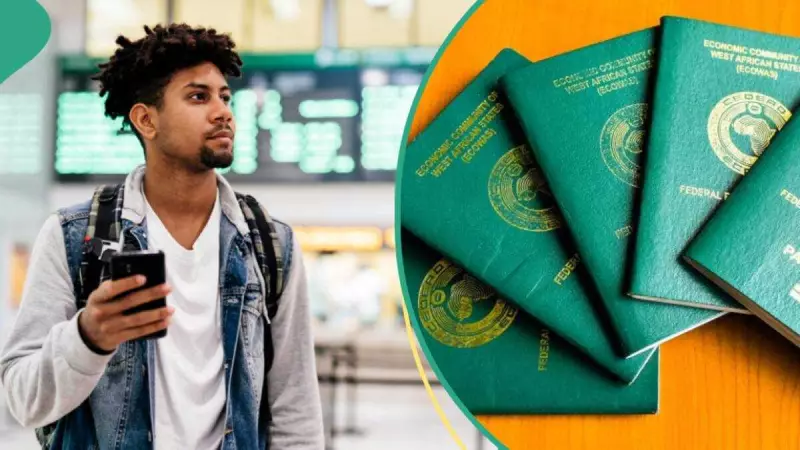
The landscape for international travel from Nigeria is undergoing a significant transformation in 2026. While the Nigerian passport is recording modest gains in global mobility rankings, major destination countries are simultaneously tightening their visa regulations. This creates a critical juncture for Nigerian travellers, where preparation and knowledge of the rules have become more essential than ever.
Surge in Travel Meets Stricter Borders
International air travel from Nigeria reached approximately 2.1 million passenger departures in 2023, according to data from the International Air Transport Association (IATA). This surge, driven by pursuits in education, business, work, and leisure, reflects a strong global rebound in travel demand as noted in the World Travel and Tourism Council's 2024 Economic Impact Report. However, this increased mobility is now intersecting with a wave of stricter immigration controls from several popular countries.
Key Destination Visa Rules for 2026
Understanding the specific requirements for each country is paramount. Below is a breakdown of the current visa landscape for Nigerian travellers heading to top destinations.
United Kingdom: High Costs and Enhanced Scrutiny
The UK remains a premier destination for Nigerians. Travellers still require a Standard Visitor Visa for tourism or business. Applicants should prepare for high visa fees, additional biometric charges, and processing times that typically span three to six weeks. It is crucial to use only official UK government websites and authorised application centres to avoid falling victim to scams.
Canada: Tighter Controls on Students and Visitors
Canada continues to attract Nigerian students and skilled workers, but 2026 has introduced stricter measures. The government has imposed caps on international student intake to alleviate housing pressures. Consequently, visitor visa applications face closer scrutiny, require stronger proof of ties to Nigeria, and experience longer processing times. Early application is strongly advised.
United States: A More Restrictive Environment
The US visa process has become notably more challenging for Nigerians in 2026. For short-term travel, the B-1/B-2 visitor visa is the standard route. Following Presidential Proclamation 10998 and the expansion of the Visa Bond Pilot Program, applicants are encountering longer wait times, higher refusal rates, and additional financial requirements, as reported by TechCabal.
Regional and Transit Travel Updates
Travel within Africa also requires careful attention. Ghana remains visa-free for Nigerian passport holders under the ECOWAS protocol, but travellers must carry a valid passport, proof of accommodation, and evidence of sufficient funds. South Africa mandates all Nigerian travellers to apply for a visa via VFS Global or its e-visa portal, with processing taking 10 to 20 working days. Notably, Ethiopia, a major aviation hub, has suspended its visa-on-arrival for Nigerians; an e-visa or embassy visa must now be secured before departure.
Preparation is the New Currency for Travel
The gradual improvement of the Nigerian passport's standing is a positive development, but it does not simplify the journey. In 2026, the real key to global mobility is meticulous preparation. The rules are dynamic and stringent. For Nigerian travellers, staying informed through official channels and allowing ample time for applications is no longer just advice—it is the fundamental difference between a successful journey and a cancelled plan.
This analysis is based on immigration trends and reports from IATA and the World Travel and Tourism Council.