NIHOTOUR Commends Federal Government's Decision to Lift Hospitality and Tourism Ban
The National Institute for Hospitality and Tourism (NIHOTOUR) has expressed strong approval for the Federal Government's recent action to withdraw the suspension on regulatory activities within Nigeria's hospitality and tourism sector. This development is viewed as a crucial step toward revitalizing the industry and promoting inclusive sectoral growth.
Stakeholder Forum Highlights Strategic Collaboration
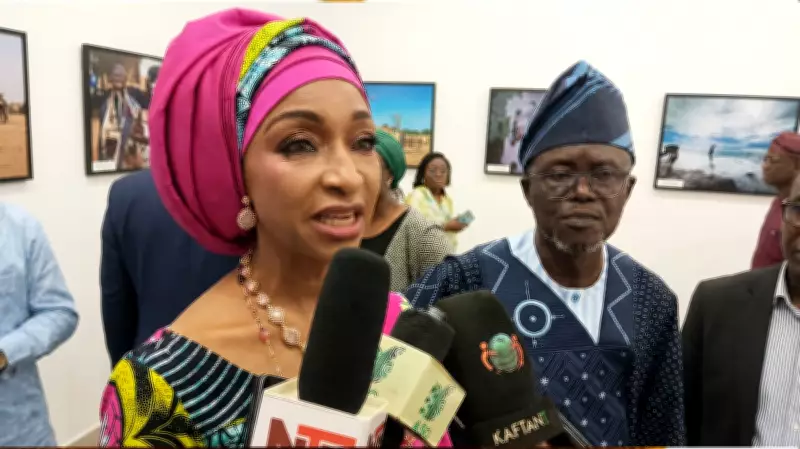
Director-General of NIHOTOUR, Abisoye Fagade, made these remarks during the national hospitality and tourism stakeholders' forum, which was organized by the Nigeria Tourism Development Authority (NTDA) in Abuja. The event, themed 'Shaping the Future of Nigerian Tourism Together', brought together key stakeholders from both public and private sectors to discuss strategies for enhancing collaboration, improving standards, and driving sustainable progress in the industry.
Fagade emphasized that this directive will reposition tourism as a significant driver of the national economy. He highlighted the efforts of the Minister of Art, Culture, Tourism and Creative Economy, Hannatu Musa Musawa, who introduced a concessionary framework offering discounts and flexible onboarding pathways. This initiative is seen as a deliberate and strategic effort to deepen industry participation and improve compliance.
Alignment with Renewed Hope Agenda
The NIHOTOUR DG further explained that the ministry's intervention aligns with President Bola Tinubu's Renewed Hope Agenda, which prioritizes economic diversification, job creation, and the development of high-impact sectors like tourism. "This is not merely a regulatory adjustment. It is a forward-thinking strategy to reposition tourism as a key driver of national development," Fagade stated. "It demonstrates a strong commitment to inclusivity, sustainability, and global competitiveness."
NIHOTOUR's Dual Mandate and Digital Initiatives
Fagade also outlined NIHOTOUR's dual role as both a regulatory and developmental institution, focusing on building a skilled, certified, and globally competitive workforce to support the sector. He noted that the institute is currently deploying the National Registration Portal (NRP), a transformative digital platform designed to formalize the industry by registering, certifying, and verifying tourism practitioners and institutions nationwide.
Addressing Informal Workforce Challenges
He acknowledged that a significant portion of Nigeria's tourism workforce currently operates outside formal regulatory structures, a challenge that continues to impact service delivery and international competitiveness. Fagade called on key stakeholders, including private sector operators, industry associations, and state governments, to take full advantage of the Federal Government's concessionary framework and actively participate in the ongoing reform process.
Call for Sustained Collaboration
Reaffirming NIHOTOUR's commitment to enabling progress, Fagade stressed that regulation should be viewed as a tool for advancement rather than a limitation. He urged for sustained collaboration among stakeholders as a foundation for building a resilient, inclusive, and globally competitive tourism sector that reflects Nigeria's rich cultural heritage and vast economic potential.
The forum's convening by the NTDA Director-General was praised as timely, with such engagements deemed essential for fostering alignment and collective action across the sector.