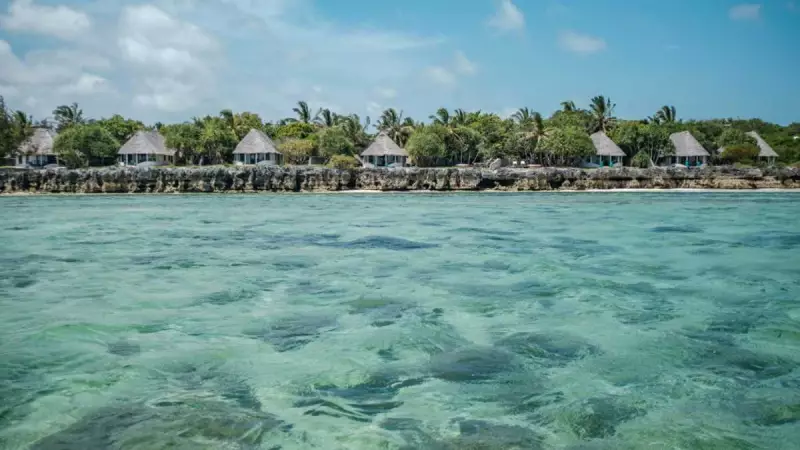
Tanzania's renowned tourism industry, a cornerstone of its economy, is reeling from the aftermath of deadly election violence and a series of government policy blunders. The idyllic white beaches of Zanzibar and the famed safari lodges near the Serengeti are experiencing an unusual quiet, as international visitors stay away following a period of significant political unrest.
Election Unrest and Its Immediate Fallout
The crisis stems from the presidential election held on October 29, 2025, which was marred by allegations of vote-rigging in favour of President Samia Suluhu Hassan. These claims sparked days of violent protests across the country. In response, police forces opened fire on demonstrators. The opposition states that more than 1,000 people were killed, a death toll the government has yet to officially confirm or deny.
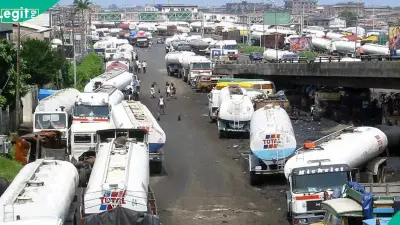
The unrest led to an internet blackout and flight cancellations, stranding some tourists, like those at Zanzibar airport. Although the government spokesman, Gerson Msigwa, insists the nation is "peaceful, calm, and open to all," the damage to the country's image has been severe. With fresh protests called for December 9, the fear of further disruption continues to loom.
A Sector in Distress: Cancellations and Empty Hotels
The economic impact is already stark and measurable. A hotel manager in Arusha, the gateway city to Serengeti National Park, revealed the scale of the downturn. "The current situation is very disturbing," the manager said, speaking on condition of anonymity. 150 bookings and four major international events scheduled for December have been canceled at their property alone. Occupancy has plummeted to below 30%, a sharp contrast to the typical two-thirds capacity for this period.
This sentiment is echoed in Stone Town, the capital of Zanzibar. Shopkeepers report business has ground to a near halt. Nazir Adam, a local jeweller, noted, "Sometimes there are a few slow days, but not two weeks in a row like this. It's the topic everyone is talking about here right now."
Analytics firm Mabrian, which uses AI to track travel sentiment, reported a 14% year-on-year drop in its perception-of-security index for Tanzania in November 2025. Concurrently, average hotel prices fell by the same percentage.
Compounding Factors: Policy Mistakes and Airline Bans
While the political violence is the most immediate cause, industry experts point to longer-standing government policies that have damaged tourism. Nora Suleiman, founder of Nakupenda Tours in Zanzibar, highlighted new financial burdens on travellers, including a $44 mandatory insurance fee and a $90 passenger tax on airline tickets.
A more significant blow came from the European Union, which banned all Tanzanian airlines from its airspace earlier in the year due to safety personnel shortages. Patrice Caradec, head of the French tour operators union SETO, confirmed this had a direct impact. "Tanzania has been a hit with the French for several years," he said, but bookings fell by 15-18% this summer primarily because of the flight ban. He expressed frustration that offers to help resolve the administrative issues were ignored by Tanzanian authorities.
"Between the blacklisted airlines... and the riots, I can confirm that quite a few of our compatriots have decided not to go," Caradec stated.
The Road to Recovery: Rebuilding Trust
The situation presents a complex challenge for a nation where tourism is the largest source of foreign revenue. The sector attracted a record 2.14 million visitors in 2024 and was projected to generate nearly $4 billion in 2025. An anonymous tour operator in Arusha estimated that "almost half of the tourism business is disrupted," with many afraid to speak out due to fear of police reprisals.
Some activists, like exiled campaigner Maria Sarungi Tsehai, have called for a tourism boycott to pressure the government over its violent crackdown. However, the path forward for the industry hinges on stability and regaining traveler confidence. Carlos Cendra, an analyst at Mabrian, underscored the task ahead: "Even once the political situation stabilises, rebuilding confidence in travellers' safety and security will remain a crucial and urgent challenge for Tanzania."
As the country counts the cost, the empty beaches and safari vehicles serve as a stark reminder of how quickly political instability can unravel economic success.