For centuries, people from all corners of the globe have embarked on sacred journeys, seeking introspection, connection, and awe-inspiring beauty. These pilgrimages, transcending specific faiths, offer unique pathways for personal challenge and spiritual discovery. We explore ten of the world's most renowned pilgrimage trails that continue to inspire millions.
Iconic Pilgrimage Routes Across Continents
The Camino de Santiago in Spain stands as perhaps the most famous pilgrimage network globally. Its routes, mapped across Europe since the 10th century, converge at the Santiago de Compostela Cathedral, home to the relics of Saint James the Great. The final 100 kilometers of the Camino Francés is the most frequently traveled segment, drawing walkers from every background.
In the high Andes of Peru, the pilgrimage to the Chapel of Señor de Huanca offers a spectacular destination. Perched above the Sacred Valley near Cusco, the site is revered for the miraculous healing powers attributed to two water sources. The journey typically includes an overnight hike starting just outside Cusco, taking approximately six hours to complete.
Japan's ancient Kumano Kodō trails have been walked by pilgrims for over a millennium. The network consists of six main routes through the mountains south of Osaka and Kyoto, connecting the three grand shrines known as the Kumano Sanzan. Travelers can walk the 70-kilometer path, experiencing stays in traditional homes and relaxing in hot Onsen baths.
Historic Trails of Europe and the UK
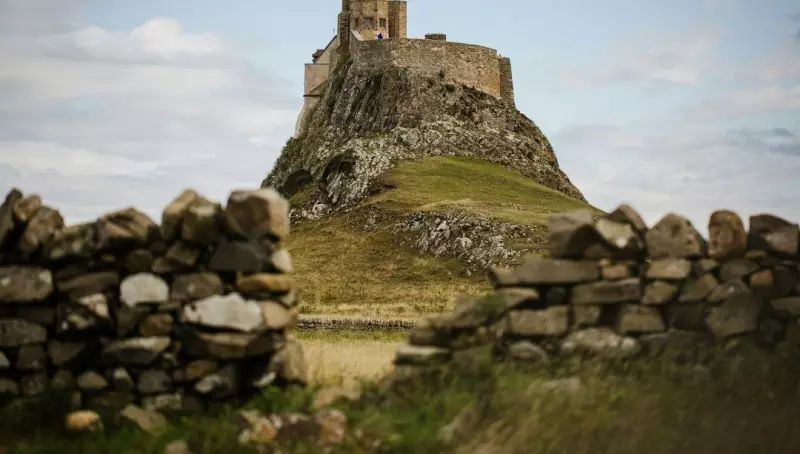
Connecting Scotland and England, St Cuthbert's Way is a 100-kilometer route from Melrose to the Northumberland coast. Its culmination at Lindisfarne, or Holy Island, requires pilgrims to time their crossing with the tides via a causeway, adding to the spiritual significance of the arrival at this awe-inspiring location.
Norway's St Olav's Way is a 640-kilometer trek from Oslo to Nidaros Cathedral in Trondheim, the resting place of St Olav. This saint, known for miracles between 995 and 1030, draws walkers through stunning Norwegian scenery, including the Dovrefjell mountains and numerous Viking-era grave mounds.
In the United Kingdom, The Old Way is an ancient path first mapped in 1360, running from modern-day Southampton to Canterbury Cathedral. This 393-kilometer route, revived by the British Pilgrimage Trust, leads to the shrine of Thomas Becket, weaving together various historic footpaths.
The North Wales Pilgrims Way stretches 209 kilometers from Basingwerk Abbey to the legendary Bardsey Island. Founded by St Cadfan 1,500 years ago, Bardsey was so revered in the Middle Ages that two pilgrimages there were considered equal to one to Rome. The trail showcases Welsh mountains, valleys, ancient churches, and culminates in a short boat ride to the island.
Northern Ireland's contribution is the Saint Patrick's Way 'Coastal Camino', a 27-kilometer route created by former nuns Elaine Kelly and Martina Purdy. Conceived during lockdown, the path ends at the charming medieval port of Ardglass.
Unique Spiritual Journeys in Asia and the Americas
The pilgrimage around Mount Kailash in Tibet is a unique circumambulation known as a 'yatra'. This 52-kilometer, three-day clockwise walk around the sacred mountain near Lake Manasarovar holds profound significance in Hinduism, Buddhism, and Jainism. Pilgrims start and finish in Darchen, seeking karma and good fortune.
In the United States, the Sacred Door Trail offers a non-denominational 321-kilometer journey through southwestern Montana. It celebrates the interconnectedness of self, Earth, community, and the sacred, providing a profound celebration of the region's mountains, lakes, valleys, and rivers.
These ten trails demonstrate that pilgrimage remains a powerful, global tradition. They offer more than just physical challenge; they provide routes for personal reflection, cultural immersion, and encounters with some of the planet's most stunning landscapes and profound histories.