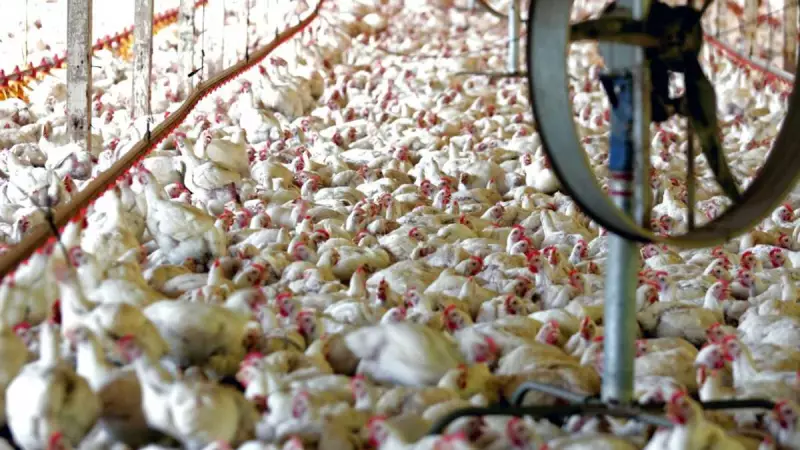
In a significant boost to global food trade, Brazil has welcomed China's decision to lift its ban on poultry imports, marking a full recovery for the world's largest chicken meat exporter after a bird flu scare earlier this year.
Diplomatic Efforts Yield Positive Results
The Brazilian Animal Protein Association (ABPA) confirmed on Friday that China has reopened its ports to Brazilian poultry products following what they described as a 'broad and intense diplomatic effort' by the Brazilian government. This development comes shortly after the European Union also resumed shipments, indicating complete restoration of Brazil's major export markets.
China and the European Union had initially suspended imports of Brazilian chicken meat in May following bird flu outbreaks. However, Brazil declared itself free of avian influenza in June and began working to resume exports to its international partners.
Economic Impact and Market Recovery
Before the suspension, China stood as Brazil's largest poultry importer, with trade figures showing substantial economic impact. According to ABPA data, China imported 228,200 tons of chicken meat between January and May 2025, generating revenue of $545.8 million for Brazilian exporters.
The ABPA noted that gradually, all major importers of Brazilian chicken meat have resumed purchases, signaling confidence in Brazil's food safety measures and disease control protocols.
Global Context of Avian Influenza
Avian flu has created significant challenges worldwide in recent years, leading to mass poultry culling, some human fatalities, and rising egg prices in various markets. The World Health Organization indicates that while human infections can cause severe disease with high mortality rates, the virus doesn't appear to transmit easily between people.
Most human cases detected so far have involved individuals with close contact to infected birds, animals, or contaminated environments, highlighting the importance of proper safety protocols in the poultry industry.
This resumption of trade between Brazil and China represents a positive development for global food security and international trade relations, particularly for Nigeria and other nations monitoring global food supply chains and agricultural export opportunities.