
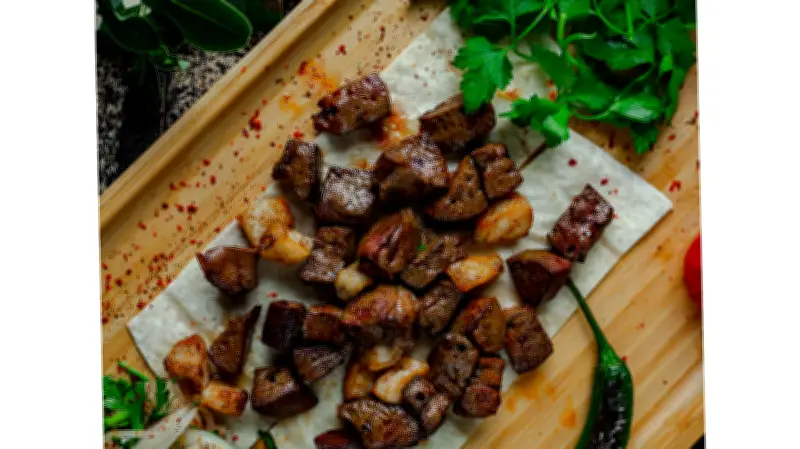
You already know what a buka is. You just have not thought of it as tourism yet, but you should. While visitors pay too much for the wrong meals, locals have always known where the real food is. It is time to eat where Nigerians actually eat.
The Buka Taste
Every Nigerian has a buka story, not a restaurant story, but a buka story, the kind that starts with “there is this place” and ends with someone reciting directions to a spot that has no address, no signage, and a queue at noon on a Tuesday that communicates everything a review ever could. The case for treating buka-hunting as serious tourism is not complicated: nowhere else in Nigeria is the food leaving a lasting impact.
Hotel restaurants cook Nigerian cuisine. Buka owners are cooking it also, but there is a difference you taste immediately and cannot unfeel. That pot positioned in front of the room is not a decoration. It is the kitchen, the menu, and the rating all at once. The culture around it also shows something about Nigerians that the country does not always show about itself. A buka has always been a class leveller. The man with the tinted-window SUV and the student with a thousand naira in her pocket sit on the same wooden bench, eat from the same pot, and both go back for more.
Local Bukas in Nigeria
Finding the right buka in a city you do not know requires a specific method. Google is unreliable for this, and sometimes reviews are inconsistent. What works is asking the right person: that Okada rider, bus driver, or security officer at a bank.
Lagos has the most documented buka conversation in the country, and it never fully resolves. There is Amala Shitta in Surulere, Ghana High on Lagos Island has been providing the city with its ewa agoyin since the late 1980s, Ajisafe in Ikeja remains the definitive case for pepper rice. Bukka Hut is a popular modern, semi-formal chain known for consistent local favourites. Ola Sheu in Agege is famous for its authentic Amala and Ewedu. Iya Eli in Surulere is a popular spot known for traditional meals. Oniru Pepper Rice is a top choice for affordable Buka stew. But Lagos is not the only city with this conversation, and it is not always the loudest one worth having.
Ibadan culture is older. Amala Skye is located on Bodija-U.I. Road; this is likely Ibadan’s most famous joint, known for its busy atmosphere, peppery stew, and assorted meat. Inastrait Food Canteen on Mokola Hill is known as one of the best spots for authentic amala and goat meat in the city. Mama Ope on Mokola Hill is a 30+ year-old establishment known for its rich red pepper and tomato-based stew. Iya Adija in Adeoyo, Oke Aremo, is popular for traditional Nigerian food.
Port Harcourt brings the Niger Delta directly to the table in ways that deserve their own article, their own argument, and significantly more column space than they currently receive. Bukka by Choice is known for traditional soups and a comfortable, yet casual setting, often with live entertainment. Collins Bukka located at Peter Odili Road is popular for local, home-cooked style meals and outdoor catering services. Abacha Villa by Jenny’s Native Kitchen is highly recommended for native delicacies like Abacha and Isi Ewu. BoleKing is one of the prominent, popular spots for Port Harcourt’s signature roast plantain (bole) and fish.
Enugu is quieter about its food in a way that rewards the curious. The spots around Ogbete Market serve ofe onugbu and ofe akwu with a seriousness that tells you this is not lunch, it is a position. Ntachi-Osa is renowned as one of the most affordable and popular spots, with locations in New Haven, Bisalla Road, and Old Airport Road, Emene. Open Sheraton is located on Chime Avenue, New Haven, known for a variety of rice dishes, soups, and late-night fries. The Village Bistro is highly rated for its local, rustic setting, offering native food and fresh palm wine.
Kano reframes the buka entirely. Here, the conversation is tuwo shinkafa, miyan kuka, and suya finished over an open flame, and sometimes you can find spots to eat other local Nigerian meals. Hajia Zulaìyi (Ling Muzza U) is noted as a top spot for traditional Kano breakfast dishes. Amala Diner is identified as a top spot for finding authentic Yoruba cuisine, including Amala and Ewedu. Alata Foods & Confectioneries is popular for serving a wide range of Nigerian meals, including pounded yam and various soups. Aduk by Kano Launch Express Hadejia RoAn is an affordable option near the Buhari Shopping Complex, noted for offering a “fine dining” atmosphere at buka prices. UBA SUYA is a recommended spot for authentic Kano Suya.
What every good buka shares, regardless of which city you are in, is an owner who is the entire operation. The food is personal. The sourcing is personal. The reputation belongs to one pair of hands. It cannot scale. It is not meant to. The moment a buka becomes a chain, something in the stew shifts and every regular who has eaten there twice will notice before they finish the first plate.