
Understanding Nigeria's Ethnic Landscape: Beyond the Big Three
Nigeria is often defined by its three largest ethnic groups: the Hausa-Fulani, Yoruba, and Igbo, who collectively account for approximately 60 to 68% of the population. However, this narrative overlooks a far more intricate demographic reality. Nigeria officially recognizes 371 ethnic groups speaking over 500 languages, making it one of the most culturally diverse nations globally. This article delves into the significance of the major groups while highlighting the broader ethnic mosaic that defines Nigerian identity.
The Three Main Ethnic Groups: A Demographic Overview
The Hausa-Fulani, Yoruba, and Igbo form what many refer to as Nigeria's demographic triumvirate, shaping political, economic, and cultural spheres since independence in 1960. According to the Federal Ministry of Foreign Affairs, these groups each represent roughly a fifth of the population, with the Hausa-Fulani being the largest at about 29%, followed by the Yoruba at 21%, and the Igbo at 18%.
Hausa-Fulani: The Northern Powerhouse
The Hausa-Fulani people, numbering around 67 million, predominantly inhabit northern states such as Kano, Katsina, Kaduna, Sokoto, and Zamfara. Their language, Hausa, is spoken by over 63 million people, including second-language speakers, serving as a lingua franca across West Africa. The emirate system, with its deep-rooted Islamic traditions, continues to influence governance and daily life in the region.
Yoruba: The Southwestern Innovators
With approximately 48 million people, the Yoruba dominate southwestern states including Lagos, Ogun, Oyo, Osun, Ondo, and Ekiti. Known for their historical urban sophistication, Yoruba civilization featured city-states ruled by obas (kings) long before colonialism. The Yoruba language, part of the Niger-Congo family, has produced renowned writers and artists. Their religious pluralism, blending Islam, Christianity, and traditional Orisha worship, fosters tolerance in Yoruba-majority areas.
Igbo: The Southeastern Entrepreneurs
The Igbo, comprising about 41 million people, primarily occupy southeastern states like Abia, Anambra, Ebonyi, Enugu, and Imo. Renowned for their entrepreneurial spirit, they traditionally operated through decentralized governance based on consensus among elders and age grades. Following the Nigerian Civil War, the Igbo demonstrated remarkable resilience in rebuilding commercial networks across Nigeria and West Africa.
The Complex Reality of 371 Ethnic Groups
Beyond the big three, Nigeria hosts numerous medium-sized ethnic groups, each with populations exceeding one million. For instance, the Ijaw people, numbering 10 to 14 million, inhabit the Niger Delta, while the Kanuri, around 4 million, dominate Borno State. Other significant groups include the Ibibio, Tiv, Edo, Nupe, Urhobo, Itsekiri, Fulani, Igala, and Idoma, among hundreds more. Taraba State stands out as Nigeria's most ethnically diverse, hosting about 80 different groups.
Lagos: A Microcosm of Ethnic Diversity
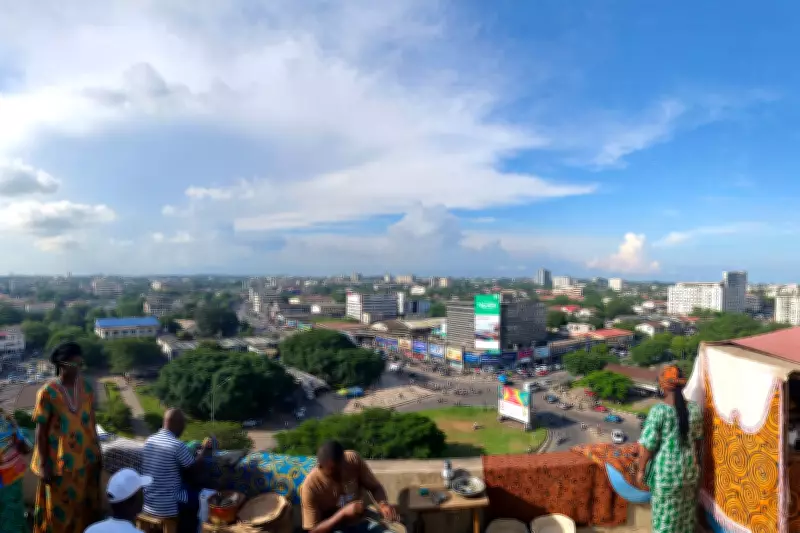
Lagos, often called Nigeria's city that never sleeps, exemplifies this diversity, with representatives from all 371 ethnic groups. The city's 24-hour economy brings together traders and workers from across the nation, blurring ethnic boundaries through commerce and shared urban experiences. This integration highlights how Nigerian cities serve as laboratories for national unity.
Ethnicity in Modern Nigeria: Challenges and Opportunities
Ethnicity plays a crucial role in Nigeria's federal system, influencing political appointments, resource allocation, and state creation. The Constitution's federal character principle aims to balance ethnic interests, but it sometimes reinforces divisions. Language policy favors English and the three major indigenous languages, leaving smaller tongues at risk. Intermarriage in urban areas fosters integration, yet ethnic tensions occasionally escalate into violence.
Key Takeaways for Understanding Nigerian Ethnicity
- Nigeria's three largest ethnic groups represent 68% of the population, but the remaining 32% includes 368 distinct communities totaling over 90 million people.
- The nation's diversity encompasses over 500 languages across three language families: Niger-Congo, Afroasiatic, and Nilo-Saharan.
- Traditional governance systems, from Hausa emirates to Igbo village democracies, continue to influence contemporary politics.
- Urban centers like Lagos showcase ethnic integration, while rural areas maintain stronger cultural identities.
In conclusion, while the Hausa-Fulani, Yoruba, and Igbo dominate discussions, Nigeria's true identity lies in its 371 ethnic groups. This diversity presents both challenges for national cohesion and opportunities for cultural richness, positioning Nigeria as a unique model for multi-ethnic democracy.