The Eyo Festival, also referred to as the Adamu Orisa Play, is one of the most prominent cultural festivals in Nigeria, particularly among the Yoruba people of Lagos State. Originating in the 19th century, the festival is primarily held to honor deceased kings and chiefs, ensuring a smooth transition of power and cleansing the community of evil spirits.
Origins and Historical Background
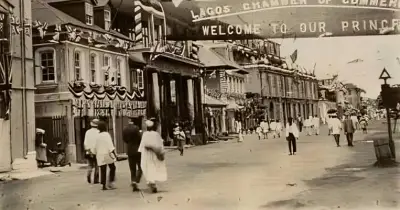
Historical records indicate that the Eyo Festival traces its roots to the Oro Festival, a secretive ritual practiced in parts of Lagos. Unlike the Oro Festival, which is conducted in private, the Eyo Festival is a public celebration witnessed by thousands. The first recorded use of Eyo masquerades occurred in 1854, when they were deployed to welcome Queen Victoria of England to Lagos. This event marked the festival's evolution into a public spectacle.
Significance in Yoruba Culture
The Eyo Festival holds deep cultural significance for the Yoruba people. It is performed to usher in a new Oba (king) in Lagos, serving as a rite of transition. Additionally, the festival is believed to cleanse the city of evil spirits and negative influences. The masquerades, known as Eyo, represent ancestral spirits returning to earth, thereby honoring the dead and reinforcing the connection between the living and their forebears.
Costumes and Ritual Attire
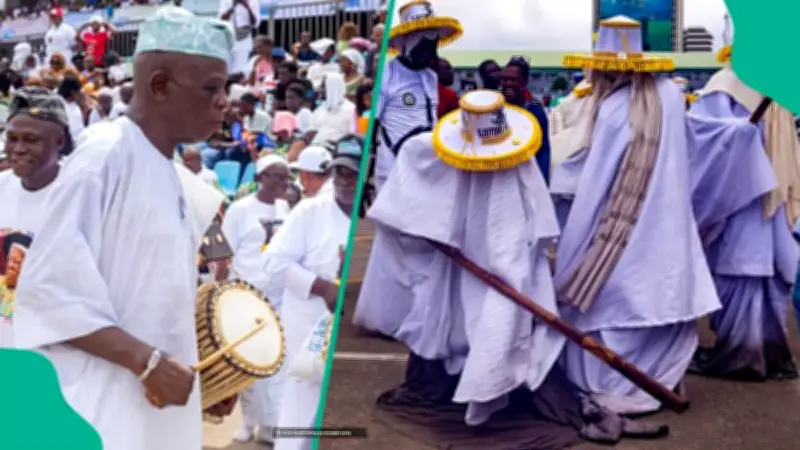
Participants in the Eyo Festival, often called masquerades or performers, wear distinctive white costumes. The attire includes a white cap, a full-length gown that covers the entire body, and a see-through mask. A key component is the Adimu outfit, which features beads around the waist, gloves, and trousers. The beads are believed to offer protection against evil spirits. Each performer's costume may bear unique symbols, reflecting their affiliation or status.
Impact on Tourism and Community Unity
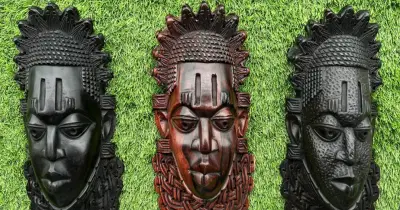
The Eyo Festival attracts visitors from across Nigeria and around the world, boosting local tourism and providing economic opportunities for artisans who sell beads, artworks, and other crafts. The event fosters unity among participants and spectators, promoting cultural exchange and preserving Yoruba heritage. According to reports, the festival also influences other cultures and helps sustain traditional art forms.
Modern Relevance and Continuity
In recent years, the Eyo Festival has continued to draw large crowds and media attention. Its role in honoring notable figures and cleansing the community remains central. The festival is a living tradition that adapts while retaining its core rituals, ensuring its relevance for future generations. As one of Lagos's most iconic cultural events, the Eyo Festival exemplifies the richness of Yoruba customs and their enduring appeal.