Four Fading Nigerian Traditions That Once Defined Cultural Identity
Published on March 31, 2026, at 10:05 AM by Victor Duru, this article delves into the rich tapestry of Nigerian traditions, which span over 371 ethnic groups and are deeply rooted in family values, respect for elders, and vibrant celebrations. However, urban development, civilization, and rural-urban migration have significantly impacted these cultural practices, causing many to slowly fade away. Legit.ng has highlighted four decade-old Nigerian traditions that once defined the nation but are now quietly dying out and are no longer the big deals they once were.
Before the advent of television and smartphones, before rapid urbanization, and before Western education prioritized Western values, languages, and belief systems, certain Nigerian traditions shaped and defined the lives of Nigerians. While some of these traditions have not been completely eroded, they have lost their prominence compared to decades ago. In this expanded analysis, we spotlight four powerful Nigerian traditions that are gradually disappearing, reflecting on their historical significance and the factors contributing to their decline.
1. Moonlight Storytelling
In the past, moonlight storytelling, also known as tales by moonlight, was a cherished tradition, but it is now almost a relic of the past, primarily seen only in Nigerian movies or TV programs targeting children. According to Yoruba Folk Tales, these are folk tales told by anyone with a story to share, from elders to respected individuals and even young children. At night, outside on the porch, the storyteller would sit in front or in the middle, with the audience surrounding them. The stories were told in the gloom of twilight, earning the name "Tales by moonlight."
This practice was not merely for entertainment; it served as a vital tool for teaching morals, history, and community values. In today's dispensation, televisions and smartphones have largely replaced this intimate form of storytelling, leading to a loss of oral tradition and communal bonding.
2. Tribal Marks
Once used as a form of identification, protection, and beauty, especially among the Yoruba and Hausa ethnic groups, tribal marks are now rare in modern Nigeria. CBN Africa traces the origins of tribal marks to the 14th century in West Africa, particularly Nigeria. These marks are engraved by piercing the skin and served various purposes, including enhancing beauty, providing spiritual protection, and serving native medicinal functions.
They were also notably popular during the Nigerian Civil War. However, with changing societal norms and the influence of globalization, this tradition has dwindled, often viewed as outdated or associated with negative stereotypes.
3. Extended Family Communal Living
Extended family communal living refers to the practice of large families, including grandparents, uncles, and cousins, living together and sharing responsibilities. As explained by Talented Women Network, this system fostered resilience, emotional security, and a deep sense of belonging. In times of illness, loss, or economic hardship, no one truly stood alone, as the community provided support.
With the rise of rural-urban migration and increasing economic pressures, many Nigerians have shifted towards nuclear family living, prioritizing individual households over collective ones. This shift has weakened the traditional support networks that once defined Nigerian society.
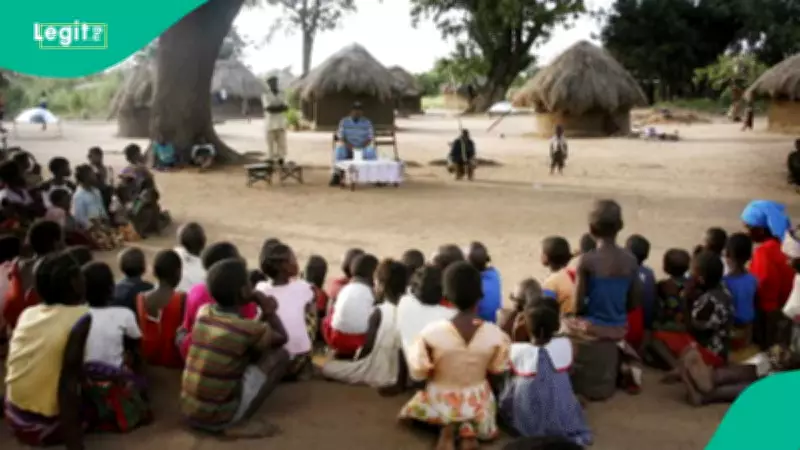
4. Village Square Gatherings
Common in villages and rural areas in the past, village square gatherings were the heartbeat of community life. These gatherings were where disputes were resolved, collective decisions were made, and important information was disseminated to the people. They served as a central hub for social interaction and governance at the local level.
Today, social media and rapid urbanization have significantly reduced the relevance of these gatherings. Digital platforms now facilitate communication and decision-making, leading to a decline in face-to-face community engagements and the erosion of traditional communal structures.
In a related context, it is worth noting that Nigerian culture remains rich and diverse, with over 500 spoken dialects and three main ethnic groups: Yoruba, Hausa, and Igbo. Each community boasts unique traditions, but as highlighted, some are at risk of fading away. This article underscores the importance of preserving these cultural heritage elements amidst modern challenges.