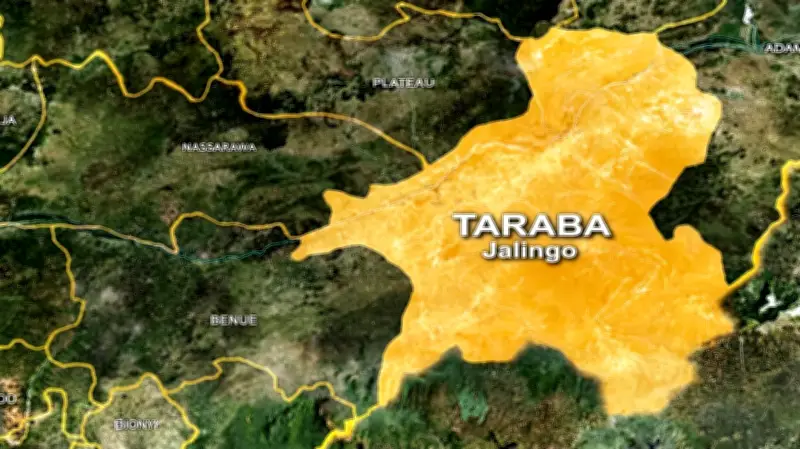
Taraba State has achieved a significant milestone in cultural and tourism development following its participation in the 2026 African Liberation Festival in Grenada. This major international gathering united Africans and people of African descent from around the world to celebrate shared heritage and strengthen diaspora connections.
Strategic Platform for Cultural Diplomacy
Speaking after the return of the state's delegation, the Commissioner for Heritage and Ecotourism, Dr. Nagombe Joseph Titus, described the festival as a strategic platform for cultural diplomacy, international engagement, and tourism promotion. He emphasized that culture remains one of the most effective tools for projecting a positive image and attracting global attention.
The festival provided Taraba State with a unique opportunity to showcase its rich cultural identity and enhance visibility within the global African diaspora community. Members of the state's cultural troupe delivered impressive performances that captivated audiences, highlighting Taraba's diverse cultural heritage and artistic excellence.
Widespread Admiration and Emotional Connections
The performances earned widespread admiration from festival participants, dignitaries, and international guests. Many attendees expressed emotional connections to the presentations, identifying similarities between Caribbean traditions and African cultural expressions. This reflects the enduring historical ties forged through shared ancestry.
Dr. Nagombe noted that Taraba's participation further strengthened the growing relationship between the state and Grenada, building on previous engagements between leaders and officials of both governments.
Tourism and Economic Opportunities
Beyond cultural displays, the festival opened doors to tourism and economic opportunities. By promoting its cultural assets on an international stage, Taraba positioned itself as an attractive destination for tourists, researchers, investors, filmmakers, and development partners interested in African heritage and ecotourism.
Tourist attractions such as the Mambilla Plateau, Gashaka-Gumti National Park, waterfalls, cultural festivals, and historical sites received increased international exposure during the event, creating prospects for future investment and visitor growth.
Creative Economy and Diaspora Reconnection
Dr. Nagombe observed that the festival showcased the potential of Taraba's creative economy by providing international exposure for dancers, musicians, costume designers, artisans, and storytellers. Such exposure could lead to future collaborations, cultural exchanges, festival invitations, and economic opportunities for local practitioners.
A central theme of the festival was reconnecting Africans in the diaspora with their ancestral roots. Grenadian Prime Minister Dickon Mitchell emphasized the importance of preserving Black history and identity, a message that resonated throughout the event.
Reflecting on the experience, Dr. Nagombe described interactions with descendants of Africans displaced during the transatlantic slave trade as a symbolic reunion that went beyond entertainment and celebrated a shared cultural heritage.
Long-Term Benefits and Youth Engagement
Stakeholders believe such engagements could promote diaspora tourism, educational exchanges, heritage pilgrimages, and Pan-African partnerships capable of delivering long-term social and economic benefits. The event also provided international exposure for young performers from Taraba State, fostering cultural pride and encouraging the preservation of indigenous traditions among younger generations.
According to Dr. Nagombe, “showcasing culture sells a country more than politics,” a statement that aligns with global trends where cultural influence increasingly contributes to tourism growth, international goodwill, and economic opportunities.