Carpenter Concludes 37-Year Crucifixion Tradition with Final Good Friday Ritual
In a poignant end to a decades-long practice, Ruben Enaje, a 65-year-old carpenter from the Philippines, has undergone his 37th and final crucifixion reenactment on Good Friday. This year, he made a significant change by requesting not to be whipped, kicked, or slapped by actors portraying Roman soldiers, marking a departure from the brutal aspects of the ritual he had endured for over three decades.
A Lighter Cross and Modified Ritual
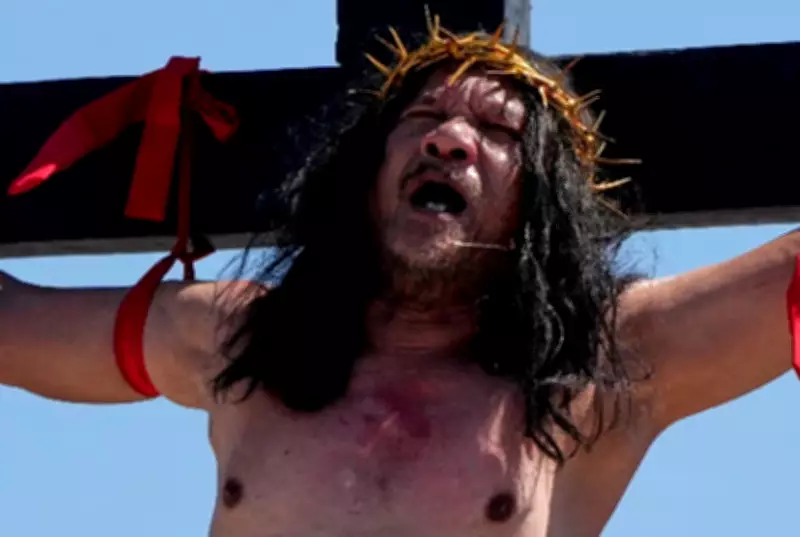
Ahead of the crucifixion, Enaje and two other devotees carried their crosses on their backs for half a mile under intense heat. For this final act, he bore a slightly lighter cross weighing 20 kilograms. In a modification to the usual procedure, only his palms were nailed to the cross, sparing his feet from the piercing of alcohol-soaked steel nails. This adjustment came after his wife expressed concerns about his weakened lungs, pleading with him to halt the annual spectacle.
From Village Celebrity to Global Peace Advocate
The annual event has transformed Enaje into a local celebrity in Pampanga province, north of Manila, drawing devotees to three rural communities to witness the grim ceremony. Despite previously wavering due to age, he found it difficult to refuse requests from villagers to pray for sick family members during the ritual. This year, he voiced hopes for world peace, noting, "Only three countries are in conflict, yet they affect the whole world." He has previously raised similar issues, including the war in Ukraine, emphasizing the impact on innocent people.
Origins in a Miraculous Survival
Enaje began the crucifixion tradition after a near-death experience at age 25, when he fell from a three-story building and survived nearly unscathed. Viewing this as a miracle, he vowed to make a sacrifice to thank God for his "second life." Initially, he participated in the Senakulo reenactment by carrying a cross, and over the years, he extended the ritual as loved ones recovered from illnesses and his carpentry business flourished.
The Brutal Details of Past Crucifixions
In previous years, the crucifixions took place on a dusty hill in San Pedro Cutud and nearby communities. Devotees, including Enaje, carried heavy wooden crosses for over a kilometer in scorching heat while wearing thorny crowns. Village actors, dressed as Roman centurions, would hammer 4-inch stainless steel nails through their palms and feet, leaving them aloft on crosses for about 10 minutes as crowds prayed and took photographs.
A Tradition Rooted in History
Enaje shared that the reenactment rituals in the Philippines date back to the 1940s or 1950s, as passed down by his grandfather. His personal journey, however, began in 1985 with his miraculous survival, leading to a lifelong commitment that has now concluded with this final, modified crucifixion.