Nigeria Officially Announces Eid al-Fitr 2026 Date
The Federal Republic of Nigeria has officially announced the date for Eid al-Fitr 2026, marking the conclusion of the holy month of Ramadan. The announcement came on Wednesday, March 18, 2026, following traditional moon sighting procedures.
Sultan of Sokoto Makes Official Declaration
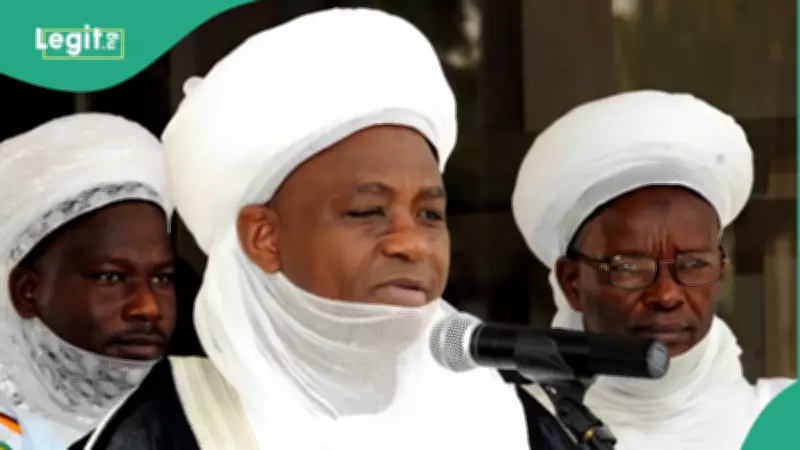
His Eminence, Muhammad Sa'ad Abubakar III, the Sultan of Sokoto and President-General of the Supreme Council for Islamic Affairs (NSCIA), made the official declaration from Sokoto, Sokoto State. The announcement confirmed that Eid al-Fitr would be observed on Friday, March 20, 2026, after the Shawwal crescent moon was not sighted across the country.
Key details of the announcement include:
- The Shawwal crescent moon was not sighted on Wednesday evening
- No positive sightings were reported to the Sultan's palace
- Friday, March 20, 2026, has been declared as the first day of Shawwal
- The announcement follows traditional Islamic moon sighting protocols
National Moon Sighting Committee Confirmation
Umar Jubril Simwal, a prominent member of the National Moon Sighting Committee (NMSC), confirmed the Sultan's declaration through his verified social media account. Simwal stated clearly that no reports of positive sightings were received at the Sultan's palace, leading to the official declaration of Friday, March 20, as the commencement of Shawwal.
The traditional announcement process involves careful observation and verification by religious authorities across Nigeria's diverse regions before any official declaration is made.
Significance of Eid al-Fitr Celebrations
Eid al-Fitr represents one of the most significant Islamic holidays observed by millions of Muslims across Nigeria. The festival marks the conclusion of Ramadan, the holy month of fasting observed by Muslims worldwide. Traditional celebrations typically include:
- Large congregational prayers held in outdoor prayer fields
- Community gatherings and family reunions
- Charitable giving and distribution of food to the less fortunate
- Festive meals and traditional celebrations
- Exchange of greetings and well-wishes among community members
The announcement provides clarity for Nigeria's Muslim population, allowing adequate preparation for the important religious observance. The declaration follows established Islamic traditions where the sighting of the new moon determines the beginning of Islamic months, including Shawwal, which follows Ramadan.
This official announcement ensures uniformity in celebration across Nigeria's diverse Muslim communities, promoting unity and coordinated observance of this important religious festival. The Sultan's declaration carries significant weight as the traditional religious authority for Nigerian Muslims, ensuring nationwide adherence to the announced date.