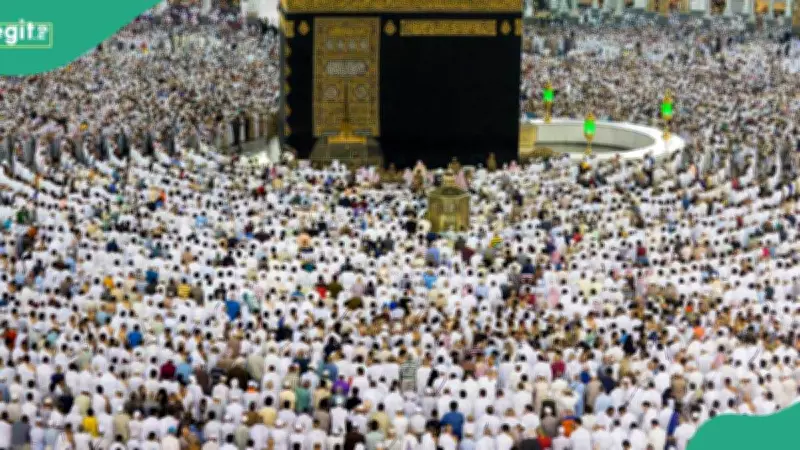
The National Hajj Commission of Nigeria (NAHCON) has confirmed that four Nigerian pilgrims have died during the ongoing 2026 Hajj exercise in Saudi Arabia, while at least 54 others have been hospitalised. The disclosure was made by the Head of the National Medical Team during a media briefing in Makkah on the health condition and welfare of Nigerian pilgrims participating in this year’s pilgrimage.
Details of the Deaths
According to the official, all four deceased pilgrims were women. The medical team explained that most of the deaths recorded so far were associated with heart-related complications, including suspected cardiac arrest and myocardial infarction. One death was linked to complications arising from a strangulated hernia. The official noted that the demanding nature of Hajj activities, harsh weather conditions, and underlying health issues may have contributed to the fatalities. Pilgrims were advised to avoid excessive movement under extreme temperatures and ensure adequate hydration throughout the pilgrimage.
Hospitalisations and Referrals
NAHCON disclosed that more than 54 Nigerian pilgrims had been referred for advanced medical treatment in Saudi hospitals since the commencement of the exercise. The commission said over 24 referrals were made from Madinah, while more than 30 patients were referred from Makkah, especially from the Misfalah clinic, which caters for pilgrims from about 19 Nigerian states. Patients requiring specialist or emergency care were reportedly transferred to facilities including King Abdulaziz Hospital through Saudi emergency services.
NAHCON's Medical Facilities
The commission currently runs five licensed medical clinics in Saudi Arabia to provide healthcare support for Nigerian pilgrims. Two of the clinics are located in Madinah, while three others are situated in Makkah. According to the medical team, operations commenced shortly after Nigerian officials arrived in Saudi Arabia on April 28 following approval from Saudi authorities. Unlike previous Hajj exercises where temporary outposts were used for minor treatments, Saudi regulations this year only allowed the operation of fully licensed clinics.
Pressure on Medical Facilities
The Head of Clinic at Misfalah, Fatima Saddiq, described the workload at the facility as demanding due to the increasing number of patients seeking treatment daily. Common medical conditions being managed include malaria, dehydration, body pains, catarrh, diabetes, asthma, and hypertension, alongside injuries such as bruises and cuts. Six doctors are deployed per shift each day to handle the growing health concerns among pilgrims. NAHCON added that about 287 medical personnel, including around 80 doctors and specialists, are currently on ground in Saudi Arabia to support Nigerian pilgrims throughout the Hajj exercise.