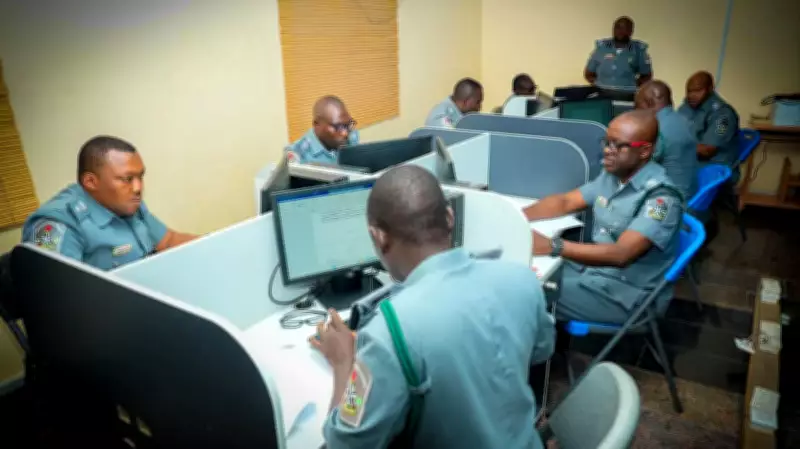
The Nigeria Customs Command and Staff College (NCCSC) in Gwagwalada, Abuja, has introduced computer-based examinations for its Senior Course students, moving away from the traditional handwritten system to a fully digital assessment process. This change began on Monday, 11 May 2026, at the College's e-library and is part of a broader initiative to modernize Customs training and align with global professional standards.
Commandant Highlights Benefits of Digital Exams
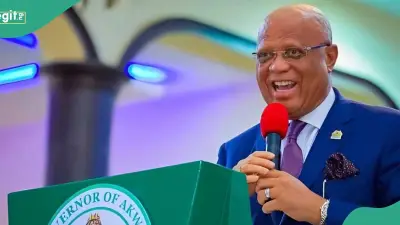
After monitoring the examinations on Monday, 18 May 2026, the Commandant of the College, Assistant Comptroller-General of Customs Dow Gaura, described the transition as a necessary response to the evolving realities of modern Customs administration. He emphasized that the College, as the intellectual hub of the Nigeria Customs Service (NCS), cannot remain tied to outdated academic processes while Customs operations globally become increasingly technology-driven.
ACG Gaura noted that the old handwritten examination method caused avoidable delays in assessment, particularly when illegible scripts made marking difficult for directing staff. "We are now in the era of Artificial Intelligence and digital transformation. As the think tank of the NCS, the College must lead from the front. We cannot continue to preach technology without embracing it ourselves," he said.
Under the previous system, directing staff sometimes spent several days marking examination scripts due to handwriting challenges and the volume of papers across syndicates. "In the past, examinations and assignments were handwritten. Some scripts came with illegible handwriting, making it difficult for the directing staff to assess them properly. Today, our students write and submit examinations electronically through the system. It is faster, more transparent and more efficient," he added.
Technology Integration Beyond Exams
ACG Gaura further disclosed that the College has gradually integrated technology into other academic engagements, including revision sessions and virtual learning interactions conducted through digital platforms. He also stressed that sustainability is a key advantage, noting that many directing staff are selected from among the institution's top graduating students. "One important advantage we have is continuity. These officers already understand the College's vision and academic philosophy. They inherit the structure, improve on it and pass it on to the next generation," he said.
The Commandant added that character remains a major consideration in selecting directing staff, emphasizing that professionalism extends beyond academic performance. "Our directing staff represent the best in learning and character. An officer may be brilliant academically, but if the character does not align with the standards of the College, such an officer cannot become a directing staff," he stated.
Future of Customs Training
Looking ahead, ACG Gaura said the institution is advocating stronger computer literacy requirements for officers attending courses at the College. Digital competence has become unavoidable in modern Customs operations, and officers must prepare for the changing realities of international trade administration and border management. "The future of Customs operations is technology-driven, and officers must prepare themselves for that reality," he said.
He also commended the Comptroller-General of Customs, Adewale Adeniyi, and the Customs Management Team for their continued support towards infrastructural and academic improvements within the College.