Quiet Quitting In Lagos Universities – Time for Governor Sanwo-Olu to Lead
Lagos State governor, Babajide Sanwo-Olu, faces a critical challenge as academic staff in state-owned universities quietly disengage due to poor working conditions. This article by Steven Anu’ Adesemoye highlights the plight of lecturers like Dr. Lola Kosoko, a 46-year-old soil scientist with 18 years of service and over 38 publications, who struggles daily with transportation, low pay, and lack of support.
The Reality of Lagos State Lecturers
At exactly 7:10 am on the 103rd day of 2026, Dr. Kosoko arrived at the Oshodi BRT terminal. The absence of BRT buses and the swelling crowd made her journey to an 8:00 am lecture nearly impossible. She resorted to a danfo bus, which was stopped by the Lagos State Task force for driving in the BRT lane. This is a familiar nightmare for many lecturers. Her salary, after a recent 'salary harmonisation' that paradoxically reduced her earnings, barely covers transport, food, accommodation, and internet access for research. Despite job offers from foreign universities with better pay and conditions, she remains passionate about serving her country but no longer enthusiastic about her current job. Dr. Kosoko is not just a statistic – she is Lagos, quietly quitting.
The ASUU Agreement and State Universities
For over 16 years, ASUU and the Federal Government have struggled over lecturer welfare. A new agreement was reached on December 23, 2025, and signed on January 14, 2026. Key provisions include a 40% salary increase, Consolidated Academic Tools Allowance (CATA), Earned Academic Allowances (EAA), improved pension, and university autonomy. However, while federal universities benefit, state universities operate on discordant terms. Lagos State, with an IGR of over ₦1.26 trillion in 2024 and FAAC allocation of ₦55.83 billion as of January 2026, contributes 22-30% of Nigeria's GDP. Yet, it has not implemented the new agreement in its public universities. The academic staff of LASU, LASUSTECH, and LASUED are unlikely to exceed 3,000, so implementation would have minimal financial impact. The high cost of living in Lagos makes the government's silence more painful.
The Human Cost of Delay
The human cost of delay is significant. Quiet quitting is more dangerous than brain drain. While brain drain involves exodus of experienced academics, quiet quitting promotes minimal effort, zero dedication, disgruntled individuals, and absence of passion and innovation. This affects students, service delivery, research output, university rankings, and the country's future. Quick implementation of the new agreement could alleviate hardship and rekindle morale.
A Call to Governor Sanwo-Olu
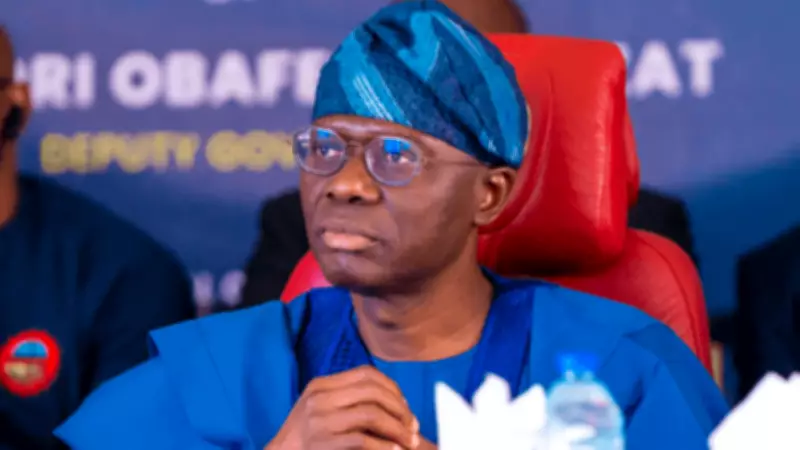
Dear Governor Babajide Sanwo-Olu, this is an opportunity to lead with compassion. The new pact is meant to be reviewed in three years; more than three months have passed, and the Ministry of Tertiary Education has not acted despite submission of financial implications by ASUU chapters. Your action is not merely an obligation but a legacy. Lagos has always been ahead in development; this should not be an exception. This is a chance to redefine a generation of Lagos academics and students. Lead by example, as other governors are watching. The cost of not acting swiftly will lead to accumulating arrears that may become harder to clear.
What We Are Asking
- Immediate domestication of the renegotiated ASUU agreement for Lagos State-owned universities
- Payment of the four months' arrears (January-April 2026) without further delay
- Establishment of a triennial review framework in line with the federal model
- Regular structured dialogue between the Lagos State government and ASUU state chapters
Mr. Governor, there are hundreds of Dr. Kosokos in Lagos-owned universities. Their pay and working conditions have reduced them to 'plug-and-play' instructors. They care less if the system works because their passions have taken a walk, not because they don't love their jobs, but because they cannot be expected to live to work. There is a strong belief in your leadership; you represent both pride and possibility. Great cities are built by educated people. A Lagos that invests in its university lecturers invests in its own future. We are passionate about our jobs, we love our students, we are proud of Lagos State, and a stitch in time saves nine.
Dr. Adesemoye, a narrative and development communicator, writes from Lagos.