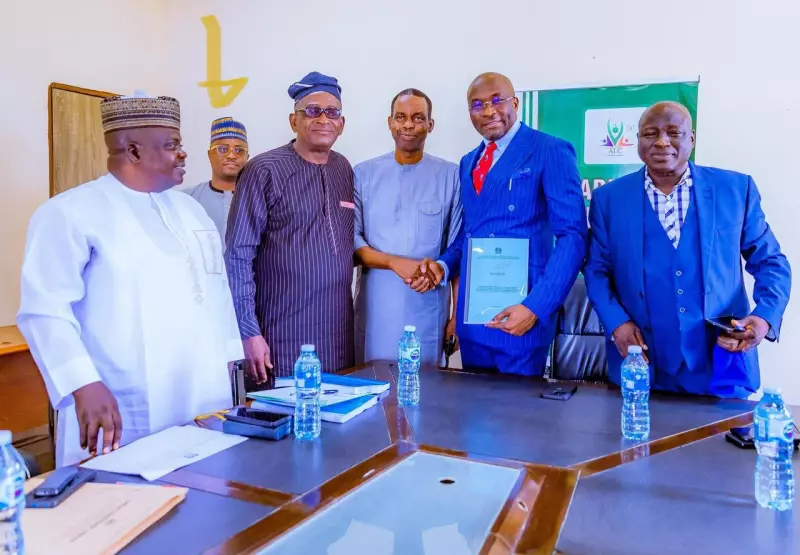
A significant academic controversy has erupted following allegations that politicians are undermining the integrity of Nigerian universities. The dispute centers on the doctoral qualifications of Deputy Speaker of the House of Representatives, Rt. Hon. Benjamin Kalu.
Allegations and a Forceful Rebuttal
The row began with a write-up by Professor Abiodun Ojo, Provost of the College of Post Graduate Studies at Afe Babalola University, Ado Ekiti (ABUAD). His article, titled “The New Certificate Craze: How Politicians are Quietly Eroding Academic Standards in Nigerian Universities,” suggested a systemic problem.
In a strong rejoinder dated December 17, 2025, Professor Akongbowa Bramwell Amadasun of the Federal University Wukari, Taraba State, has publicly challenged these claims. Professor Amadasun asserts that the original exposition was a targeted attack designed specifically to tarnish the image of Deputy Speaker Benjamin Kalu.
He argues the piece aimed to mislead the public into believing political office holders cannot genuinely earn PhDs, to imply universities award degrees without due process to politicians, and to suggest the political class is incapable of rigorous academic work.
The Defense of Deputy Speaker Kalu's Academic Record
Professor Amadasun, who identifies himself as the External Examiner for Kalu's PhD, mounts a detailed defense of the Deputy Speaker's scholarly credentials. He outlines Kalu's academic background prior to the doctoral program:
- LL.B (Bachelor of Laws) from the University of Calabar.
- LL.M in Terrorism and Humanitarian Law (with Distinction) from the University of Calabar.
- MBA from Oxford Brookes University.
- Certifications from institutions like the Harvard Kennedy School and the University of Oxford.
He clarifies that Kalu enrolled for a PhD in Public Policy and Strategic Studies at the University of Abuja (now Yakubu Gowon University) and was in the program for approximately four years, not five months as he claims was insinuated.
Point-by-Point Refutation of Claims
Professor Amadasun directly addresses what he calls “Professor Abiodun Ojo’s criteria,” providing clear denials:
Timeline Bypassed? No. Kalu underwent over three years of rigorous study.
Weakened Internal Checks? No. All relevant internal approval units granted approval, and seminar papers, proposals, and fieldwork were defended internally and externally.
Political Pressure? No. Amadasun states Kalu was careful to not reveal his identity, and his security details were asked to leave the defense hall. No political colleagues attended.
Admission & Coursework? Yes. His file is available for verification, and he wrote and passed all prescribed courses.
External Examination? Yes. Professor Amadasun confirms he presided over an open defense attended by representatives from the Postgraduate School, internal examiners, supervisors, the Director of the Abuja Leadership Center, and fellow students.
Underlying Motives and a Call for Caution
The rejoinder concludes by questioning the motives behind the initial article. Professor Amadasun ponders whether Professor Ojo has a personal grievance with the Deputy Speaker or if the piece was written out of genuine conviction for systemic cleanup.
He sharply criticizes the singular focus on Benjamin Kalu, describing him as an “articulate and hardworking middle age politician.” The piece ends with a firm warning: “there is the need to caution him not to bring politics into the classroom.”
This public clash between academics highlights ongoing tensions regarding the intersection of politics, education, and public perception in Nigeria, raising critical questions about credibility and motive in scholarly discourse.