The legal fight over billions of dollars in federal research funding for Harvard University has entered a new phase. The Trump administration has formally appealed a federal judge's order that required the release of nearly 2.7 billion dollars in frozen funds to the prestigious institution.
Appeal Filed Just Before Deadline
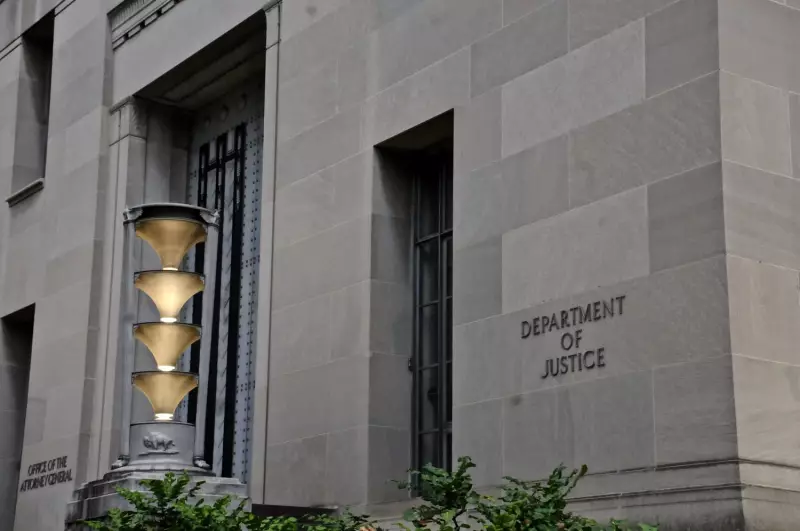
Lawyers for the US Department of Justice filed the appeal notice late on Thursday night at the United States District Court for the District of Massachusetts. This move challenges the September 3 decision by District Judge Allison D. Burroughs, who ruled comprehensively in Harvard's favour on constitutional grounds.
The government's filing came just two days before the deadline. Under federal law, both parties had 60 days to appeal after the final judgement was entered on October 20. The appeal now shifts the dispute to the United States Court of Appeals for the First Circuit.
The Core of the Legal Dispute
In her September ruling, Judge Burroughs found that the administration's decision to withhold Harvard's funding was unconstitutional. She determined it was an act of retaliation for protected speech, using allegations of antisemitism as a pretext.
The judge described the funding freeze as an "ideologically-motivated assault" on universities. She also ruled that the administration failed to follow the required procedures under Title VI of the 1964 Civil Rights Act.
Harvard initiated the lawsuit in April after its research funding was cut. The university argued the action was punishment for refusing federal demands for oversight over key internal matters, including:
- Faculty hiring processes
- University admissions policies
- Internal governance structures
Reactions and Potential Outcomes
The White House had promised to fight the ruling immediately after it was issued. White House spokesperson Liz Huston stated at the time, "We will immediately move to appeal this egregious decision, and we are confident we will ultimately prevail in our efforts to hold Harvard accountable."
Following Judge Burroughs's order, some money began returning to Harvard. In late September, researchers received about 46 million dollars in federal grants, supporting roughly 200 projects. This was the first fund release in four months.
Several legal experts believe the administration faces a tough challenge on appeal. Samuel R. Bagenstos, former general counsel for the Department of Health and Human Services, expressed doubt the ruling would be overturned. He called it a "really careful and well-reasoned opinion."
If the First Circuit rules against the government, the administration's last resort would be an appeal to the US Supreme Court. There, its arguments might find a more receptive audience with the court's conservative majority.
Meanwhile, discussions about a possible settlement are reportedly ongoing. Federal officials and Harvard are said to be negotiating a deal that could involve a payment of up to 500 million dollars in exchange for restoring funding and resolving ongoing investigations. No final agreement has been reached.
The appeal filing did not detail the administration's specific legal arguments. Once the case is formally docketed at the appeals court, both sides will submit detailed briefs. The First Circuit is expected to set a briefing schedule in the coming weeks, though there is no fixed deadline for a final ruling.