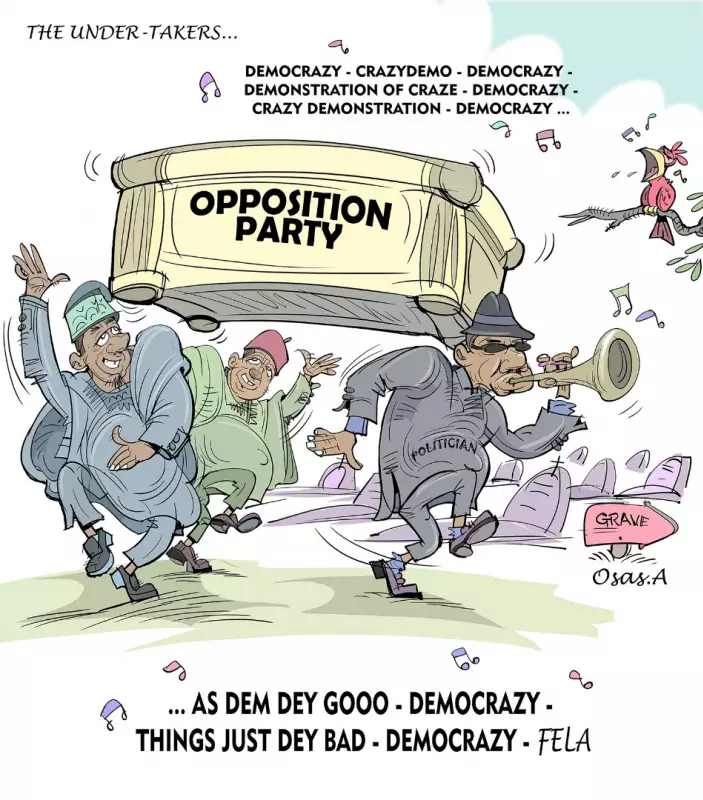
In the vibrant landscape of Nigerian media, editorial cartoons continue to serve as powerful tools for social commentary and political critique. These visual narratives capture the essence of national discourse through artistic expression that resonates deeply with citizens across the country.
The Power of Visual Satire in Nigerian Media
Nigerian cartoonists have long established themselves as crucial voices in the nation's democratic process. Through their sharp wit and artistic skill, they distill complex political and social issues into accessible imagery that speaks to both educated elites and ordinary citizens. The tradition of editorial cartoons in Nigeria represents an important facet of press freedom and democratic expression.
These visual commentaries often tackle sensitive topics that might be challenging to address through conventional journalism. The cartoon format allows for nuanced criticism that can bypass some of the limitations faced by traditional news reporting. Cartoonists employ symbolism, exaggeration, and humor to highlight societal problems and governmental shortcomings.
Addressing Contemporary National Challenges
Recent editorial works have focused on pressing issues affecting everyday Nigerians. From economic hardships to security concerns, these cartoons provide snapshots of the national mood. The artists skillfully capture public sentiment about inflation, unemployment, infrastructure deficits, and governance challenges that dominate national conversations.
The accessibility of cartoon commentary makes it particularly effective in a country with diverse literacy levels. Visual storytelling transcends language barriers and educational differences, allowing broad segments of the population to engage with important national issues. This democratic nature of cartoon journalism strengthens its impact and relevance in Nigerian society.
The Role in Democratic Discourse
Editorial cartoons serve as both mirror and catalyst in Nigerian public discourse. They reflect current realities while simultaneously encouraging citizens to think critically about their leadership and institutions. This dual function makes cartoons invaluable in a democracy where robust public debate is essential for national progress.
Despite facing occasional pressures, Nigerian cartoonists continue to push boundaries and challenge power structures. Their work contributes to accountability by highlighting discrepancies between political promises and actual performance. This form of artistic journalism remains a vital check on power and a voice for the voiceless in Nigerian society.
The enduring popularity of editorial cartoons in Nigerian newspapers and online platforms demonstrates their continued relevance. As the nation navigates complex challenges, these visual commentaries will undoubtedly remain important tools for sparking conversation, challenging authority, and envisioning alternative futures for Africa's most populous nation.