Nigerian Cartoonist's Satirical Take on Current Affairs Sparks Debate
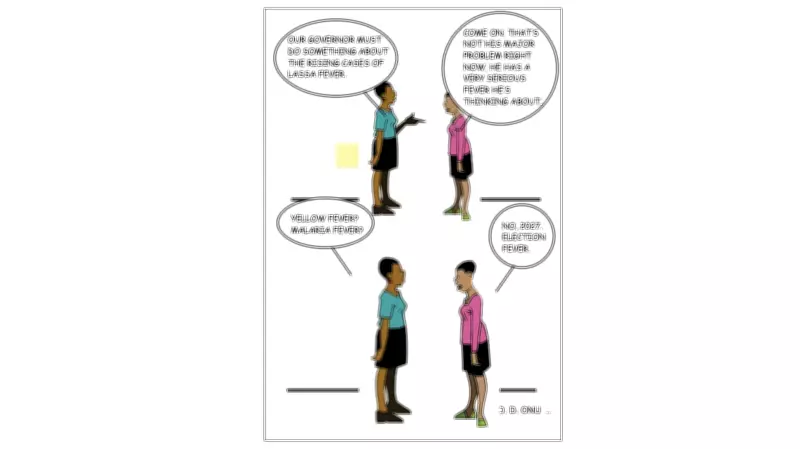
A recent cartoon published in a Nigerian newspaper has ignited widespread discussion across the country, as it uses humor and satire to comment on pressing political and social issues. The artwork, created by a local cartoonist, depicts various scenes that cleverly mock government policies, economic challenges, and societal norms, resonating with many citizens who see it as a reflection of their daily struggles.
Public Reaction and Mixed Responses
The cartoon has elicited a range of reactions from the public, with some praising its boldness and wit, while others criticize it for being too harsh or simplistic. Supporters argue that satire is a vital tool for holding leaders accountable and fostering dialogue in a democracy, allowing people to engage with complex topics in an accessible way. On the other hand, detractors claim that such cartoons can oversimplify issues or spread negativity, potentially undermining efforts to address national problems constructively.
Role of Satire in Nigerian Media
This incident highlights the growing importance of satire in Nigerian media, where cartoonists and comedians often use humor to critique authority and spark conversations. In a nation with a vibrant but sometimes contentious political landscape, satire serves as a form of social commentary that can bridge gaps between different groups, encouraging reflection and debate. Experts note that while satire can be provocative, it plays a crucial role in promoting freedom of expression and challenging the status quo, contributing to a more informed and engaged citizenry.
Key Themes Explored in the Cartoon
- Political corruption and governance failures
- Economic hardships faced by ordinary Nigerians
- Social inequalities and cultural tensions
- The impact of global events on local communities
As discussions continue, the cartoon has become a focal point for broader conversations about the state of the nation, with many calling for more such creative expressions to address societal issues. Whether seen as a lighthearted critique or a serious indictment, it underscores the power of art to influence public opinion and drive change in Nigeria.