When people ask whether Nigeria is famous for anything, the answer isn't just yes—it's an overwhelming affirmation of global influence. This West African powerhouse has carved out an undeniable presence on the world stage, touching everything from entertainment and literature to economics and technological innovation.
Nigeria's Cultural Dominance
The numbers speak for themselves. Nigeria's film industry, popularly known as Nollywood, produces approximately 2,500 films annually, making it the world's second-largest film industry by volume. This cultural factory employs over one million people directly and contributes roughly ₦522 billion to the national economy each year.
Meanwhile, the music scene has exploded with unprecedented force. Afrobeats—distinct from Fela Kuti's original Afrobeat—has become a global phenomenon. Artists like Wizkid, Burna Boy, Davido, and Tiwa Savage regularly sell out major venues from London to Los Angeles. Burna Boy's Grammy win in 2021 for "Twice as Tall" marked a significant milestone, while Wizkid's collaboration with Drake on "One Dance" became one of Spotify's most-streamed songs ever.
Literary Excellence and Economic Power
Nigeria's literary tradition runs deep and wide. Chinua Achebe's "Things Fall Apart" has sold over 20 million copies worldwide and been translated into 57 languages. Wole Soyinka made history as Africa's first Nobel Prize laureate in Literature in 1986, while contemporary writers like Chimamanda Ngozi Adichie continue this legacy—her TED Talk "The Danger of a Single Story" has been viewed over 27 million times.
Beyond culture, Nigeria's economic footprint is substantial. As Africa's largest oil producer, the country supplies crude to major economies worldwide and holds the continent's largest natural gas reserves exceeding 200 trillion cubic feet. The agricultural sector positions Nigeria as Africa's leading producer of cassava and yams, employing approximately 36 million people.
Innovation and Global Influence
Nigeria has developed Africa's largest tech ecosystem, with Lagos often called the "Silicon Valley of Africa." Nigerian entrepreneurs have created unicorn startups like Flutterwave and Paystack, revolutionizing digital payments across the continent. The country's demographic weight—with a population exceeding 220 million people—translates into significant political and economic influence.
Within West Africa, Nigeria functions as a regional anchor, providing the largest financial contribution to the Economic Community of West African States (ECOWAS) and leading peacekeeping missions across the region. Nigerian troops have served in Liberia, Sierra Leone, Mali, and numerous other conflict zones, establishing the Nigerian Armed Forces as one of Africa's most experienced peacekeeping forces.
The diaspora community amplifies Nigeria's global reach. An estimated 17 million Nigerians living abroad send home approximately $20 billion in remittances annually—more than the entire GDP of many African nations. Nigerian-Americans rank among the most educated immigrant groups in the United States, excelling in medicine, technology, and business.
Experiencing Nigerian Culture Firsthand
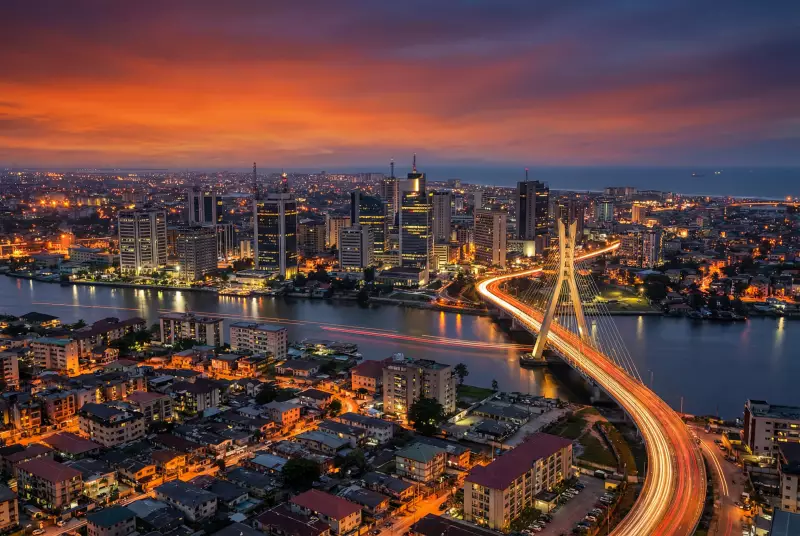
For those wanting to experience Nigeria's famous culture directly, start in Lagos—the nation's creative capital that truly never sleeps. Visit film sets in Surulere, attend live Afrobeats concerts, and explore the contemporary art scene in Lekki. The city's energy, particularly after dark when vibrant nightlife venues come alive, captures Nigeria's creative spirit perfectly.
Food represents another gateway to Nigerian culture. Jollof rice has sparked friendly international rivalries with Ghana and Senegal, while suya—delicious spiced meat skewered and grilled to perfection—has become a street food sensation in London, New York, and Houston.
Traditional festivals like the Durbar in Kano, the Osun-Osogbo Festival, or the Calabar Carnival showcase the foundations upon which contemporary Nigerian fame has been built. The juxtaposition between ancient traditions and modern innovations reveals the complexity of Nigerian identity.
Looking forward, Nigeria's influence shows no signs of slowing. The population boom means a massive youth cohort coming of age in the next two decades, engaging with global culture while maintaining proud Nigerian identities. Technology continues to demolish barriers, giving creators better tools to produce and distribute work worldwide.
The question isn't whether Nigeria will remain famous, but which new fields of excellence the nation will conquer next. From entertainment and literature to technology and entrepreneurship, Nigeria's fingerprints on global culture continue to deepen and expand.